Grace Hopper
1906 - 1992
"Admiral of the cybersea"
1928
Graduated with a B.S. in mathematics and physics from Vassar College
1934
Received her Ph.D. in mathematics from Yale University
1931 - 43
Taught mathematics at Vassar College
1943
Enlisted in the U.S. Navy Reserve
1944
Assigned to the Bureau of Ships Computation Project at Harvard and began working on the Mark I computer
1952
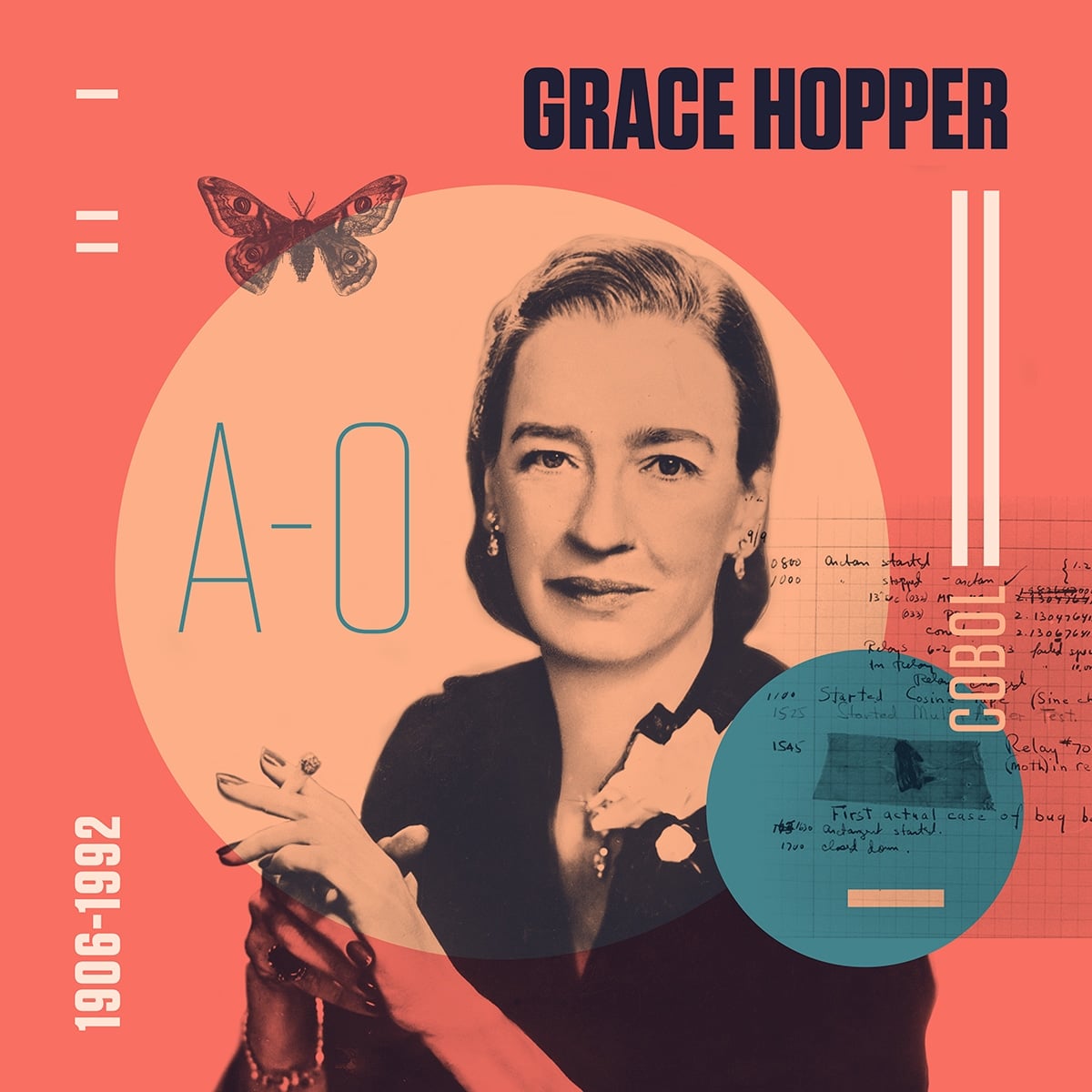
Developed the A-O compiler
1992
Died in Arlington, Virginia
1996
The USS Hopper (DDG-70), named after Grace Hopper, is launched
2016
Posthumously awarded the Presidential Medal of Freedom by President Obama, the nation’s highest civilian honor
Grace Hopper was an American computer scientist and US Navy Rear Admiral. She's often referred to as the Admiral of the Cybersea or "Amazing Grace" for her many computing innovations. After earning her PhD in mathematics from Yale in 1934, she enlisted in the Navy, graduated first in her class and began working on the Mark I computer. In 1949, she recommended that a new programming language be developed using entirely English words, but was told very quickly that she couldn't do this because computers didn't understand English. Her idea wasn't accepted for 3 years, but by 1952 she had an operational compiler, A-0. A compiler is a computer program that converts code written in a language that programmers can understand to 0s and 1s for the computer to understand.
She is also known for popularizing the term "computer bug" after she found an actual moth trapped in the Mark II Aiken Relay Calculator and deemed the machine "debugged" after retrieving the insect. Grace also developed the implementation of standards for testing computer systems and components for early programming languages like COBOL and FORTRAN.
Her awards are many, including the National Medal of Technology and the Presidential Medal of Freedom. The USS Hopper, nicknamed “Amazing Grace”, is on a very short list of US military vessels named after women. A few days ago Yale announced that it is renaming Calhoun College after her. Grace Hopper believed in taking chances and the potential of young people. To quote her: the most important thing I've accomplished, other than building the compiler, is training young people.
Françoise Barré-Sinoussi
1947 - Present
"The woman who discovered HIV"
Early 1970's
Began volunteering as a research assistant at the Pasteur Institute
1975
Received her Ph.D. from the University of Paris
1983
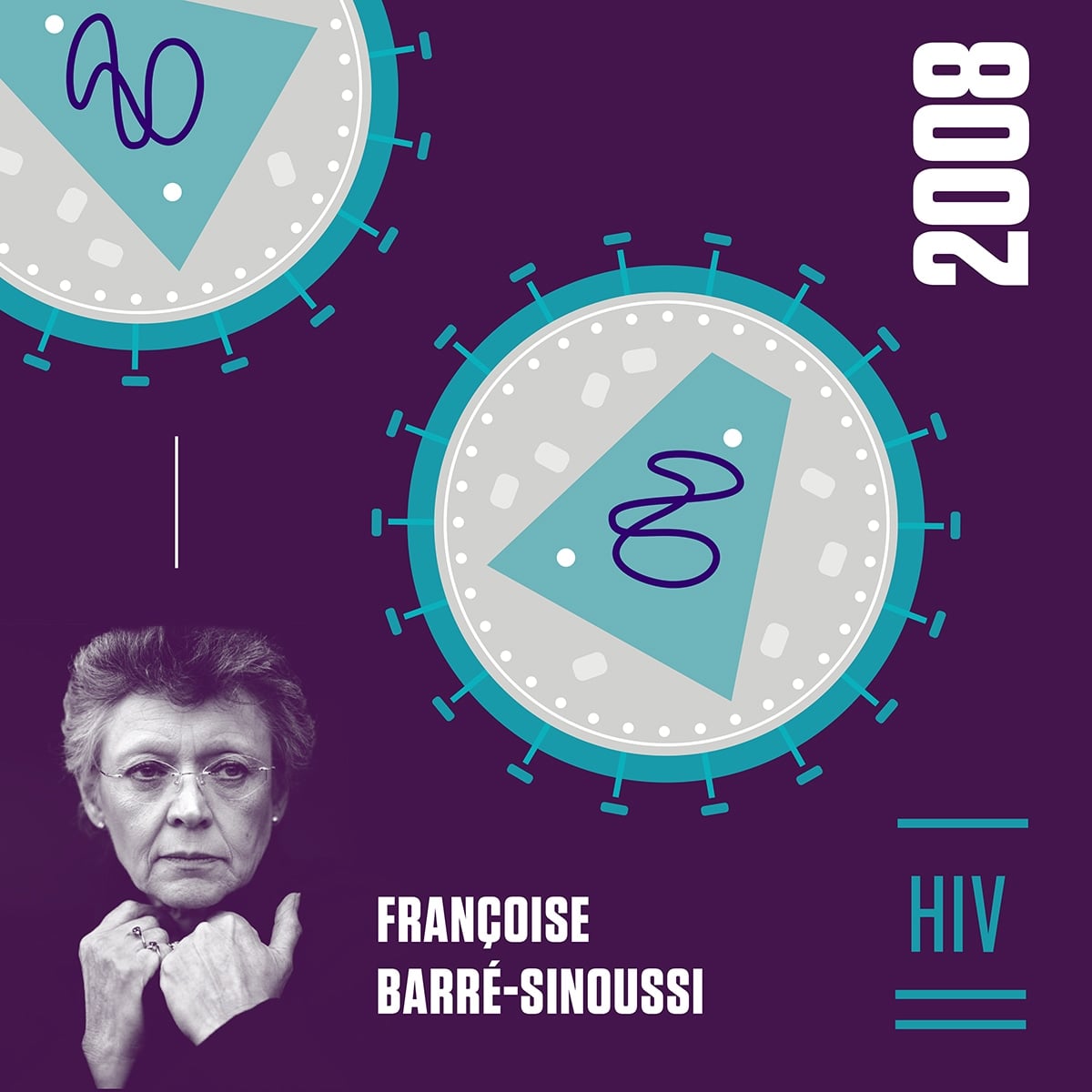
Discovered HIV and determined that it is the origin of AIDS
1988
Started her own laboratory at the Pasteur Institute
2008
Received the Nobel Prize in Physiology or Medicine with Luc Montagnier for the discovery of HIV
2012
Became president of the International AIDS society
Françoise Barré-Sinoussi is a French viologist and director of the Regulation of Retroviral Infections Division at the Institut Pasteur in Paris, France. Françoise Barré-Sinoussi discovered the human immunodeficiency virus (HIV) in 1983.
Unsure whether she wanted to pursue research in her career, Barré-Sinoussi searched for volunteer positions in research laboratories during her undergraduate degree at the University of Paris. Jean-Claude Chermann agreed to host her in his laboratory, and quickly proposed a Ph.D. project for her. She agreed, and after completing her PhD in 1975 she focused on a particular group of viruses: retroviruses. Retroviruses are viruses whose genomes consist of RNA and whose genes can be incorporated into host cells' DNA. Her knowledge in the area led to the identification if HIV as the cause of AIDS during the 1980s epidemic. She won the Nobel Prize in 2008 in Physiology or Medicine for the discovery. Her work has been fundamental in radically improving treatment for AIDS patients.
Margaret Ann Bulkley
1789 - 1865
"A woman ahead of her time, who pretended to be a man to pursue a career where she was not welcome"
Early 1800's
Educated to become a governess
1809
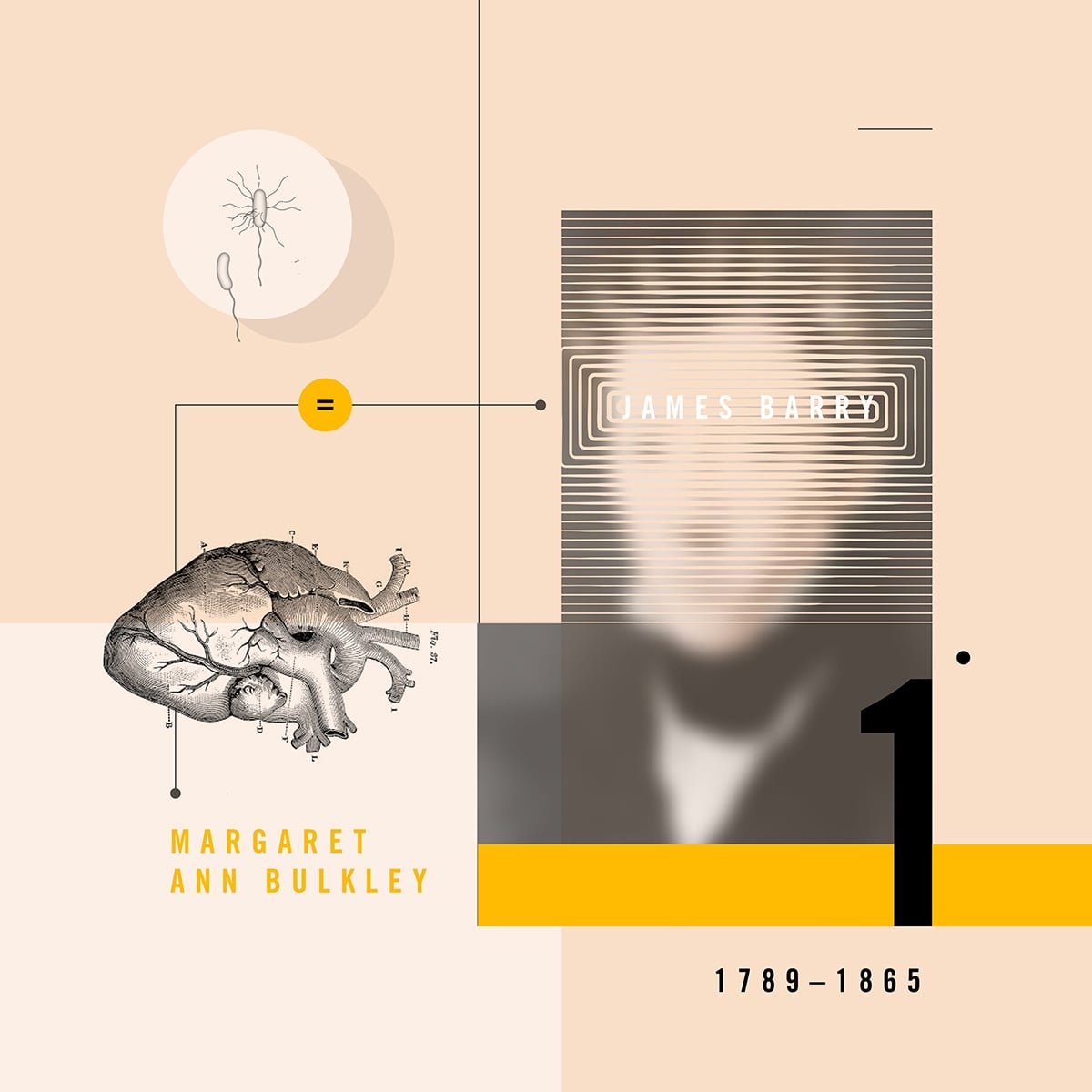
Assumed the persona of James Barry in order to enroll in medical school at the University of Edinburgh
1813
Commissioned as a Hospital Assistant in the British Army
1815
promoted to Assistant Surgeon to the Forces
1826
Performed the first successful Caesarean section by a European doctor
1857
Posted to Canada and appointed Inspector General of Hospitals
1859
Forcefully retired from the army due to age and poor health
1865
Died in London, England
All records of Barry were sealed by the British Army upon discovery of her gender
Margaret Ann Bulkley was a war hero, a medical pioneer, and a brilliant surgeon. Born in a time when women were not permitted to pursue medicine, she disguised herself as a boy and never looked back. After graduating from medical school she enlisted in the British military. She crafted the swashbuckling, flirtatious, "ladies' man" persona of Dr. James Barry to avoid suspicion as she practiced medicine all over the British Empire. While in Cape Town, she performed the first successful Caesarean section by a European doctor. In 1866, she delivered a future prime minister of South Africa via Caesarean section, who was named James Barry Munnik Hertzog in her honor. She rose through the ranks of the British military to become the Inspector General of Hospitals. She was a public health advocate who fought for better nutrition, sanitation and care for prisoners, lepers, soldiers and their families.
Only after she died did anyone discover her secret. The scandal rocked the Victorian establishment, and the army placed an embargo on James Barry's military record for a hundred years. Margaret Ann Bulkley could have stayed home, married and had kids. But she was determined to become a doctor even if it meant living a lie. She was not only the first British woman to graduate in medicine but also one of the day’s most infamous and respected surgeons.
Vera Rubin
1928 - 2016
"The woman who transformed modern astronomy"
1928
Born in Philadelphia Pennsylvania
1948
Earned a bachelor’s degree in astronomy from Vassar College
1951
Earned a master’s degree in astronomy from Cornell University
1954
Completed her Ph.D. in astronomy at Georgetown University
1955
began working as a Research Associate Astronomer at Georgetown
1962
Promoted to Assistant Professor of Astronomy at Georgetown
1965
Became the first female astronomer to use the Palomar Observatory in California
1970's
Began analyzing the distribution of mass within galaxies
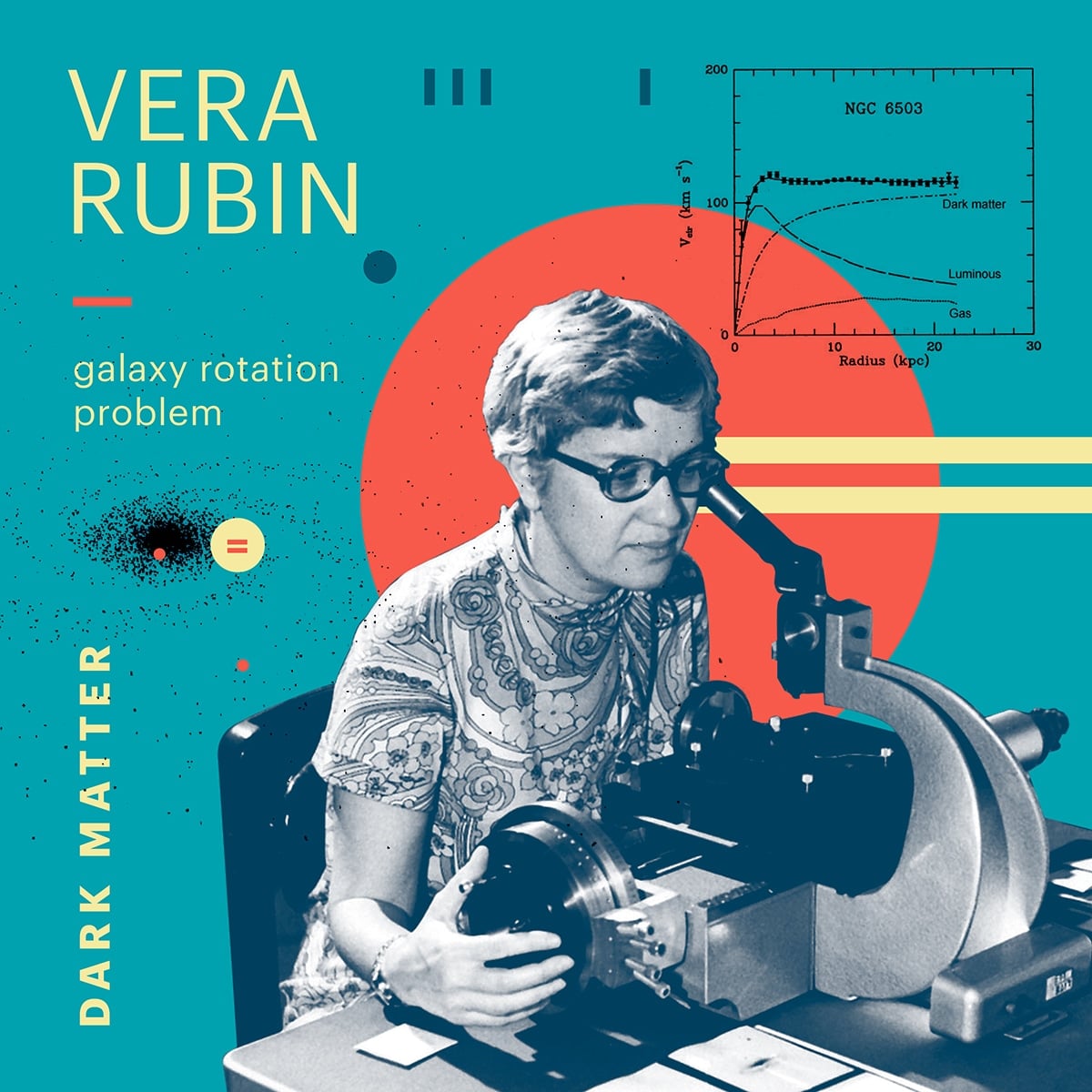
Discovered dark matter
1993
Awarded the National Medal of Science by President Clinton
Vera Rubin was an American astronomer who pioneered work on galaxy rotation rates. She found a discrepancy between the predicted angular motion of galaxies and the observed motion, by studying galactic rotation curves. Basically she found that things in far reaches of a galaxy rotated at the same speed as things near the center, an unexpected phenomenon called the galaxy rotation problem. A possible explanation was dark matter, that there was more matter in a galaxy than anyone could see. She is best known for discovering evidence of dark matter.
Rubin struggled with gender barriers throughout her career. She was rejected from the graduate astronomy program at Princeton due to her gender, and later had to meet with a famous astrophysicist in the lobby because women were not allowed in his office area. While working at the Palomar observatory in 1965, she taped an outline of a skirt onto the image of a man on the bathroom door because there was no women’s bathroom.
Vera Rubin transformed modern physics and astronomy through her work, and was awarded the National Medal of Science in 1993 by President Clinton.
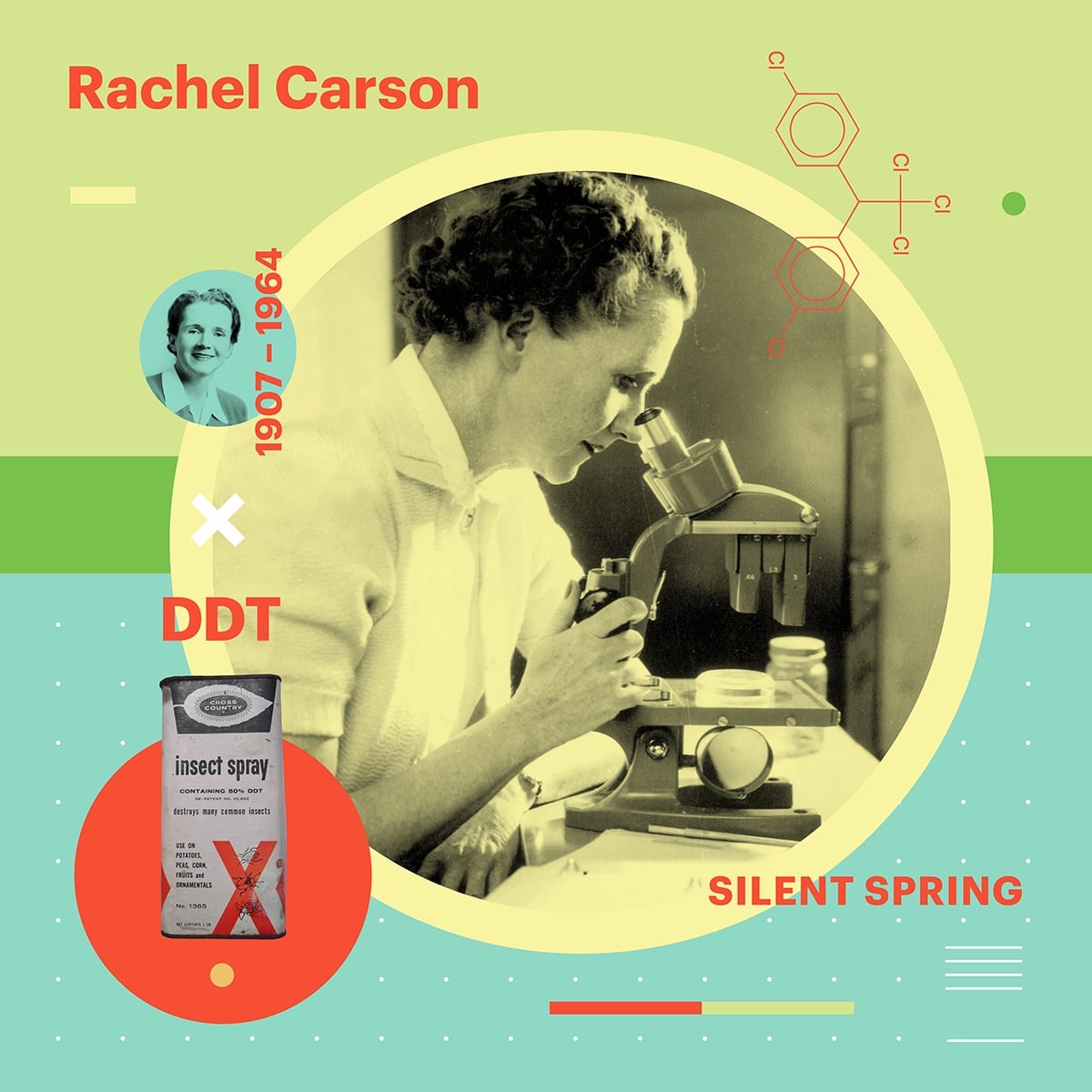
Rachel Carson
1907 - 1964
"Mother of the environmental movement"
1907
Born in Springdale, Pennsylvania
1929
Graduated with a bachelor’s degree in biology from the Pennsylvania College for Women
1932
Completed a master’s degree in zoology from John’s Hopkins University
1935
Created a series of short radio programs on marine life for the U.S. Bureau of Fisheries
1936
Appointed junior aquatic biologist at the U.S. Bureau of Fisheries
1941
Published her first book, Under the Sea-Wind
1949
Became chief editor of publications at the U.S. Fish and Wildlife Service
1962
Published Silent Spring, explains the effects of pesticides on the ecosystem
1964
Died in Silver Spring, Maryland
Rachel Carson was an American marine biologist, author and conservationist whose book Silent Spring and other writings is credited with advancing the global environmental movement. Silent Spring spurred a reversal in national pesticide policy, which led to a nationwide ban on DDT and other pesticides. It also inspired a grassroots environmental movement that led to the creation of the U.S. Environmental Protection Agency. President Jimmy Carter posthumously awarded her the Presidential Medal of Freedom, the highest civilian honor.
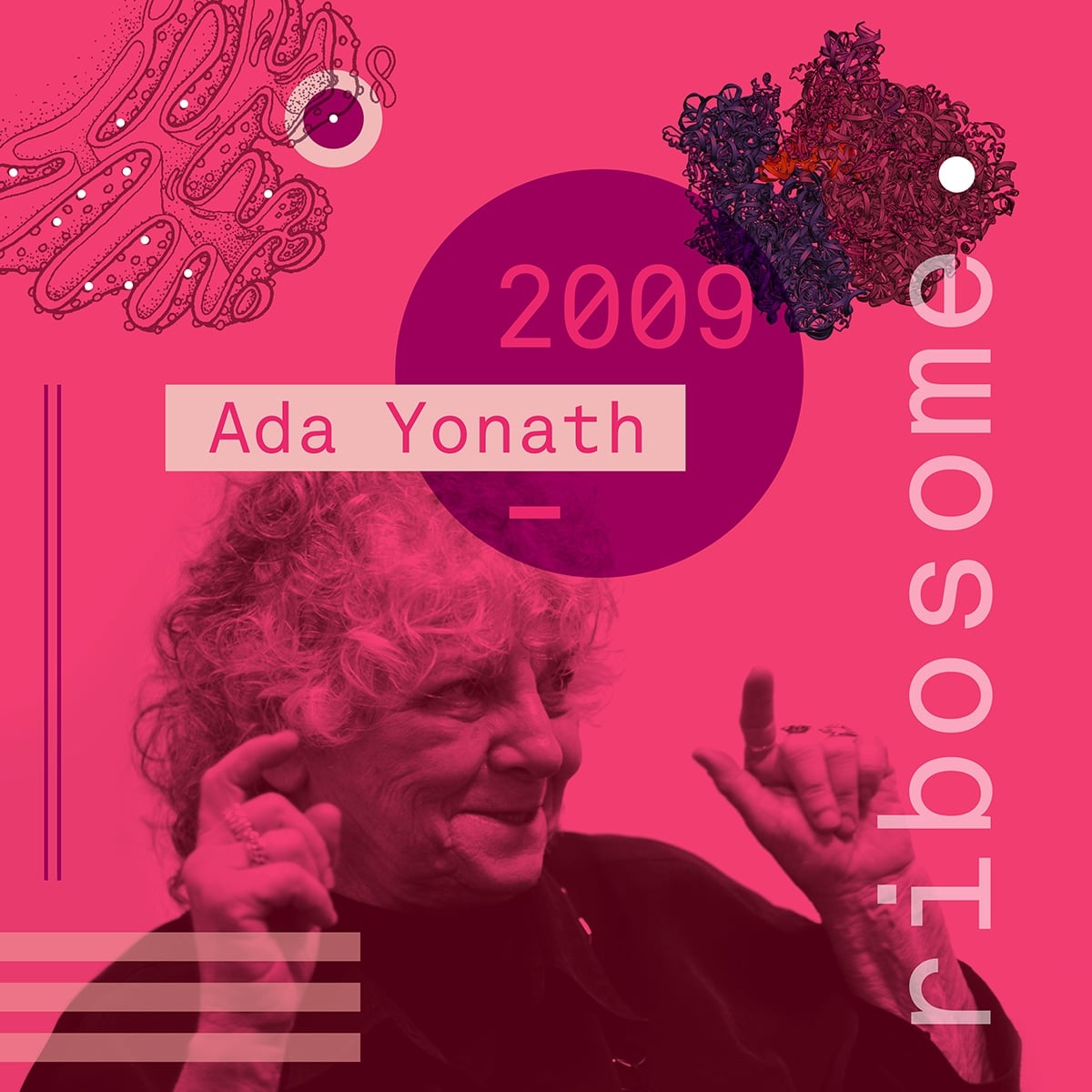
Ada Yonath
1939 - Present
"Researching the ribosome"
1939
Born in Jerusalem, British Mandate of Palestine (now Israel)
1962
Completed her bachelor’s degree in chemistry at the Hebrew University of Jerusalem
1968
Received her Ph.D. from the Weizmann Institute of Science
1970's
Began investigating the structure of the ribosome
Early 1980's
Created the first ribosome micro crystals
Mid - 1980's
Developed cryo-bio-crystallography to minimize structural disintegration under x-ray analysis
2000 - 01
Published the first complete 3D structures of the bacterial ribosome
2009
received the Nobel Prize in Chemistry for her work on the ribosome
Ada Yonath is an Israeli crystallographer best known for her work pioneering the structure of the ribosome. An organism's vital functions are managed by large complex protein molecules produced in cells' ribosomes. Genetic information from messenger RNA is translated into chains of amino acids as they pass through the ribosome and form the foundation of proteins. In the 1970s Ada began a project that culminated in 2000 when she successfully mapped (together with other researchers) the structure of the ribosome, containing thousands of atoms, through X-ray crystallography. Her work has been crucial to the production of antibiotics among many other applications.
She won the Nobel Prize in Chemistry in 2009 for her landmark work, making her the first Israeli woman and the first woman from the Middle East to win a Nobel Prize. She was also the first woman in 45 years to win the Nobel Prize in Chemistry.
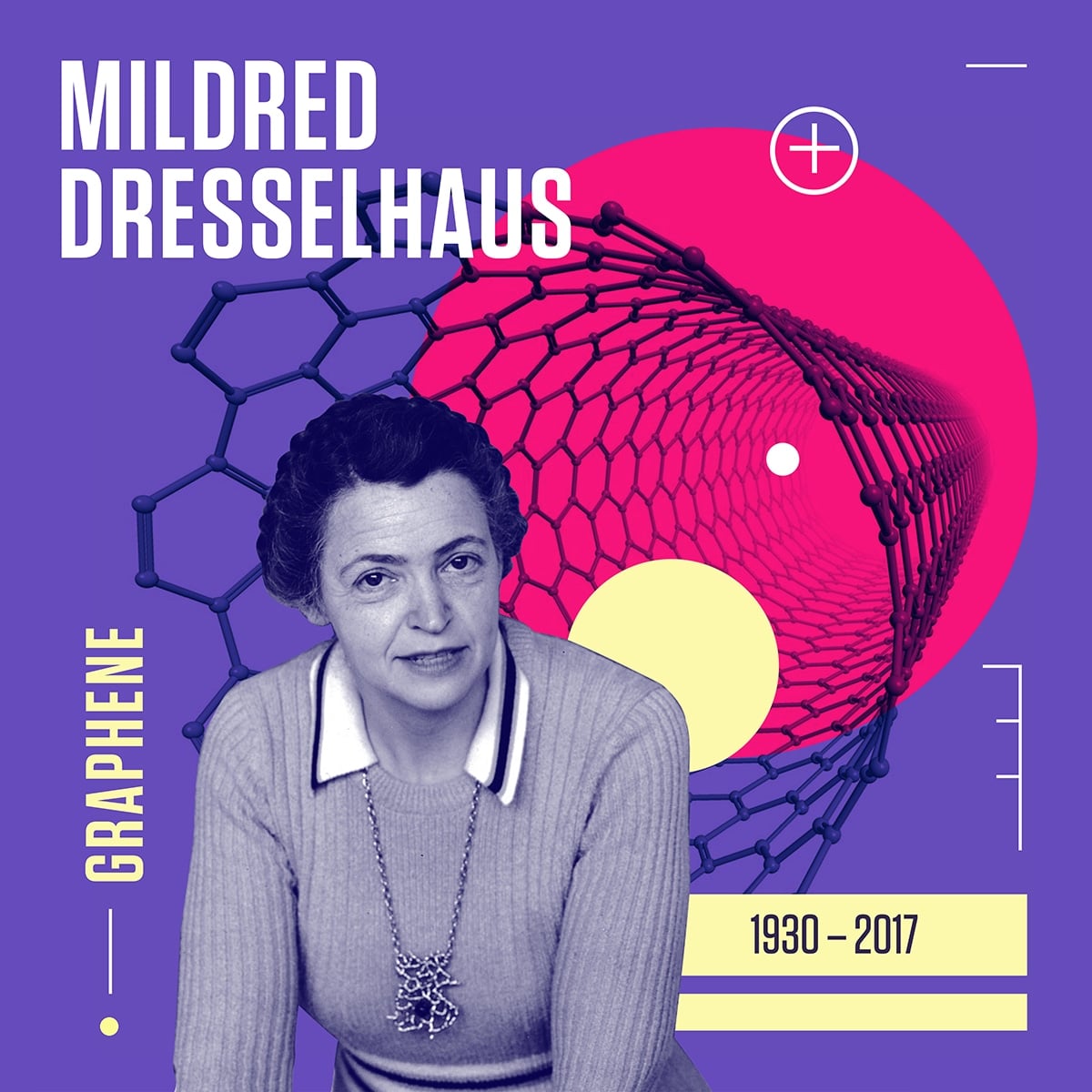
Mildred Dresselhaus
1930 - 2017
"Queen of Carbon"
1930
Born in Brooklyn, New York
1951
Received her bachelor’s degree at Hunter College in New York
1953
Received her master’s degree from Cambridge University
1958
Received her Ph.D. from the University of Chicago
1960
Began solid state physics research at MIT’s Lincoln Laboratory
1967
Appointed a visiting professor in the Electrical Engineering Department at MIT
1983
Appointed a permanent professor in the Department of Physics at MIT
1985
Became MIT’s first female Institute Professor
1990
Received the National Medal of Science
2009
Received the Vannevar Bush Award
2014
Awarded the Presidential Medal of Freedom by President Obama
2017
Died in Cambridge, Massachusetts
Known as the Queen of Carbon, Mildred Dresselhaus was a Jewish American physicist with a 57-year career at the Massachusetts Institute of Technology. The first woman to obtain a full professorship at MIT, she is most famous for unlocking the secrets of carbon and imagining new forms of the material such as carbon nanotubes and fullerenes.
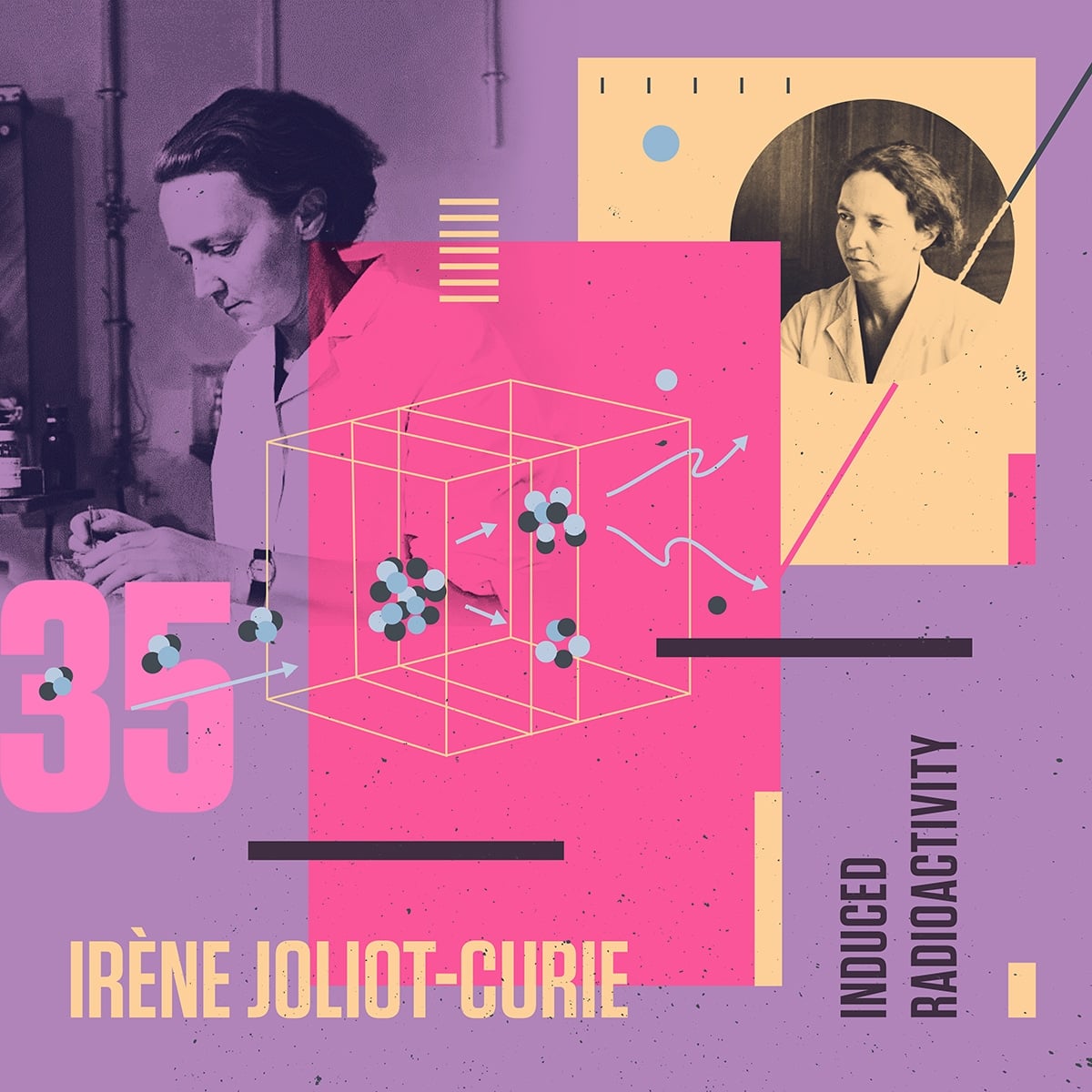
Irène Joliot-Curie
1897 - 1956
"The woman who achieved the alchemist’s dream"
1925
Received her Ph.D. from the University of Paris for her work on alpha rays of plutonium
1934
Created new radioactive isotopes of nitrogen, phosphorus, and silicon
1935
Shared the Nobel Prize in Chemistry with her husband for their synthesis of new radioactive elements
1938
Performed research on neutrons that later enabled the discovery of nuclear fission
1946
Became director of her mother’s Radium Institute
1956
Died of leukemia in Paris, France
Irène Joliot-Curie, was Marie Curie’s daughter and a brilliant scientist in her own right. Building on her mother's work of isolating naturally occurring radioactive elements, she successfully achieved the alchemist's dream of turning one element into another: creating radioactive nitrogen from boron, radioactive isotopes of phosphorous from aluminum, and silicon from magnesium. She won the Nobel Prize in Chemistry in 1935 for her pioneering work in induced radioactivity.
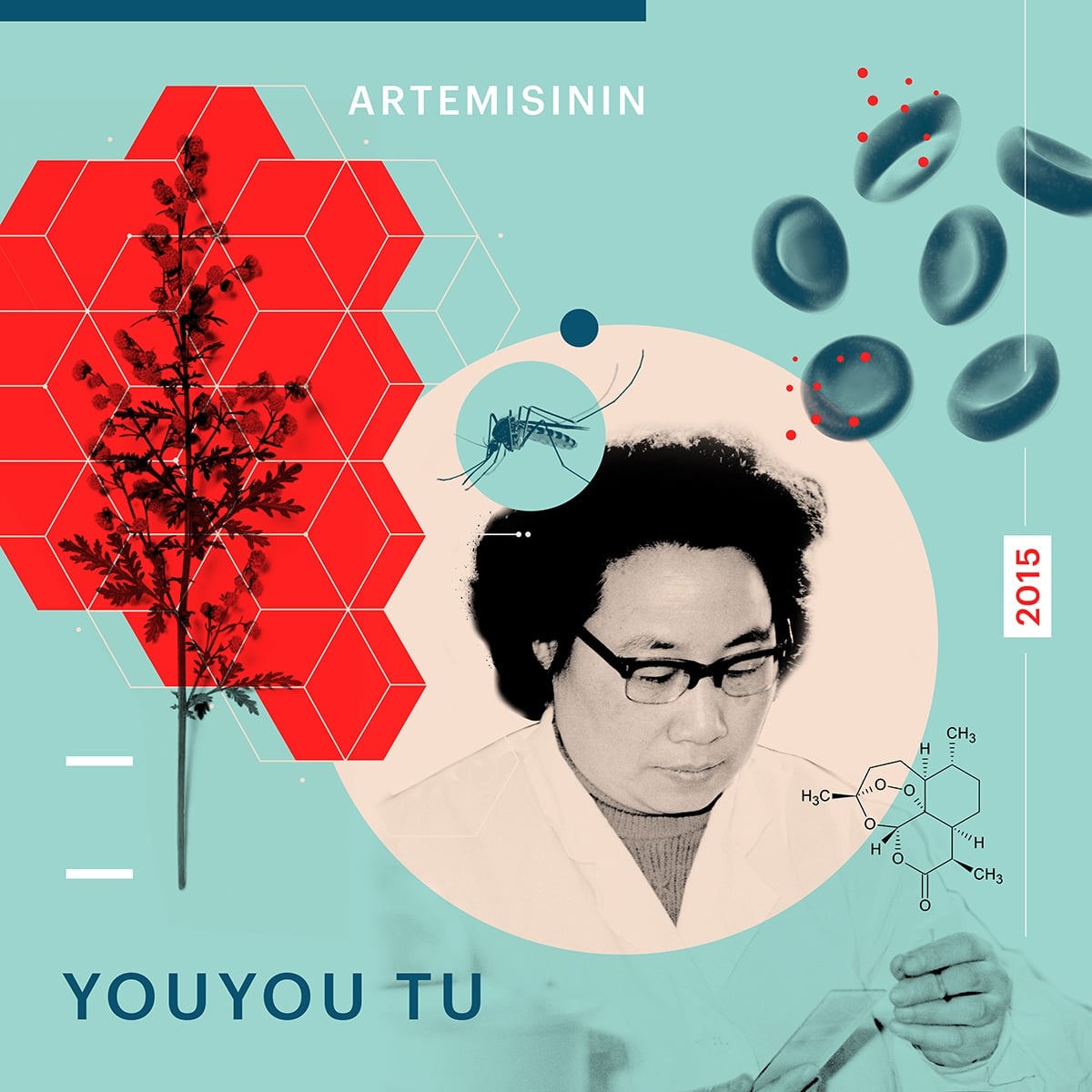
Youyou Tu
1930 - Present
"Professor of 3 No’s"
1946
Contracted tuberculosis in high school, inspiring her to pursue medical research
1955
Graduated from Beijing Medical College
Began working at the newly-established Academy of Traditional Chinese Medicine
1972
Along with two colleagues, tested a potential malaria treatment on herself
2011
Received the Lasker-DeBakey Clinical Medical Research Award
2015
Received the Nobel Prize in Physiology or Medicine for discovering artemisinin
YouYou Tu is a Chinese pharmacologist who won the Nobel Prize in 2015 for her discovery of artemisinin, a compound used to treat malaria, isolated from the sweet wormwood plant often found in Chinese Traditional Medicine. When others wanted to abandon the research, she found a solution in a millennium-old recipe. She also first tested the compound on herself! She has saved millions of lives with her groundbreaking work and is often referred to as the professor of 3 no's: no post-graduate degree, no research abroad experience and no affiliation with any Chinese national academies.
Youyou Tu was the first female citizen of the People’s Republic of China to win a Nobel Prize, and the first Chinese person to receive the Lasker Award.
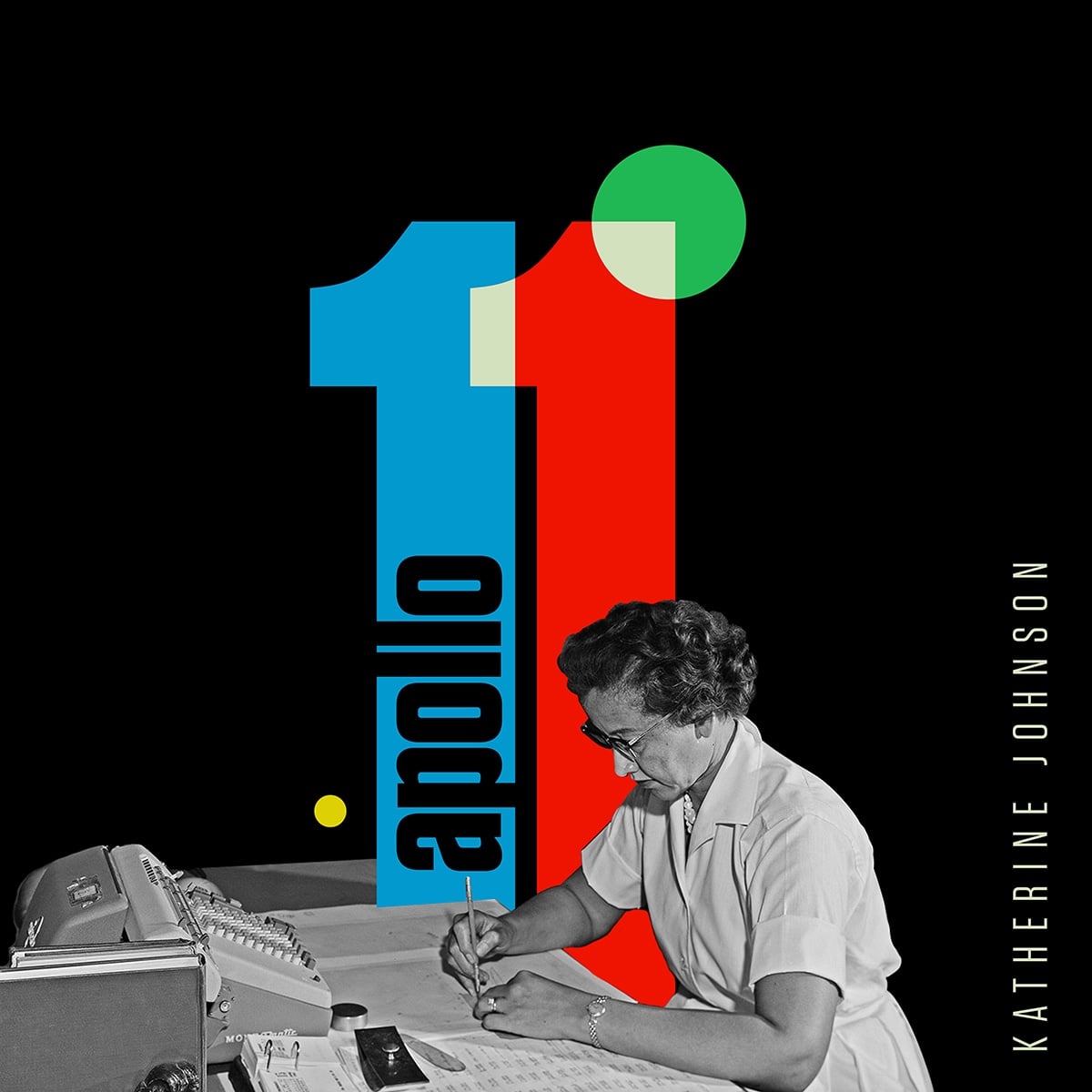
Katherine Johnson
1918 - Present
"A girl who loved to count became the woman who sent a man to the moon"
1918
Born in White Sulpher Springs, West Virginia
Graduated high school at age 14; college at age 18
1939
Began graduate studies in math at West Virginia University, one of the first three black graduate students
1953
Began working as a computer at NACA, which would later become NASA
1960
First female in the Flight Research Division to receive credit as an author of a research report
1960 - 69
Performed calculations for the Freedom 7, Friendship 7, and Apollo 11 missions
2015
Awarded the Presidential Medal of Freedom by President Obama
Katherine Johnson was a mathematician who worked at NASA for three decades, calculating flight trajectories and landings for a number of high profile missions. She performed the trajectory analysis for Freedom 7, which put the first man in space. John Glenn specifically asked that Johnson confirm the trajectory for his Friendship 7 expedition, the first time an American orbited the earth. She also contributed trajectory calculations for the Apollo 11 flight to the moon.
For her incredible contributions to space exploration in her 30 years at NASA, Katherine Johnson was awarded the Presidential Medal of Freedom by President Obama in 2015, America’s highest civilian honor.
Chien-Shiun Wu
1912 - 1997
"The First Lady of Physics"
1940
Completed her Ph.D. in physics at UC Berkeley under Ernest Lawrence
1942
Became the first female instructor in the Physics Department at Princeton University
1944
Joined the Manhattan Project at Columbia University
1950's
Experimentally tested the Law of Conservation of Parity
1958
Became the first woman to receive an honorary doctorate from Princeton University
1975
Became the first female president of the American Physical Society
1978
Awarded the Wolf Prize in Physics in its inaugural year
1990
The asteroid "2752 Wu Chien-Shiung" is named after her
Chien-Shiung Wu was born in China in a time when girls were discouraged from going to school and endured numerous uphill battles to become one of the most esteemed scientists of the 20th century. Unfortunately, few have heard of her. Her research contributions during the Manhattan Project made the development of the atomic bomb possible. She made history when she disproved the hypothetical law of conservation parity, a bedrock law of physics that many others were too afraid to test.
Although she didn't receive the Nobel Prize for her work on conservation parity when her male colleagues did, she has an impressive list of firsts. She was the first Chinese-American to be elected into the US National Academy of Sciences, the first woman with an honorary doctorate from Princeton, the first female President of the American Physical Society, the first person to receive the Wolf Prize of physics in its inaugural year (1978), one of the first Chinese-American educators to travel to Red China for visits in the 1970s and the first living scientist to have an asteroid (2752 Wu Chien-Shiung) named after her.
Rita Levi-Montalcini
1909 - 2012
"The woman who discovered nerve growth factor (NGF)"
1936
Graduated with an M.D. from the University of Turin
1938
Began to study nerve development in chicken embryos from her bedroom
1952
Isolated nerve growth factor while at Washington University in St. Louis
1958
Became a full professor at Washington University
1961 - 69
Served as director for the Research Center of Neurobiology of the Italian National Research Council
1962
Established a second laboratory in Rome
1986
Awarded the Nobel Prize in Medicine for her work on nerve growth factor
2002
Founded the European Brain Research Institute
Rita Levi-Montalcini was an Italian Nobel Laureate honored for her work in neurobiology. She won the Nobel Prize in 1986 for the discovery of nerve growth factor. She was born in 1909 in Turin into a Sephardi Jewish family. Her father discouraged her aspirations of becoming a doctor because he feared it would disrupt her life as a wife and mother. She became a doctor anyway and began a career in neurology research. Her academic career was cut short as a result of Mussolini's 1938 ban barring Jews from academic and professional careers. So she set up a laboratory in her bedroom and studied the growth of nerve fibers in chicken embryos, which laid the groundwork for her later research.
In 1946 she was granted a fellowship at Washington University in St. Louis. She replicated her previous work done in her makeshift bedroom lab and was offered a research position at the university which she held for 30 years. There, in 1952 she did her most important work, isolating the nerve growth factor from observations of certain cancerous tissues that cause extremely rapid growth of nerve cells. She became the first Nobel Laureate ever to reach the age of 100.
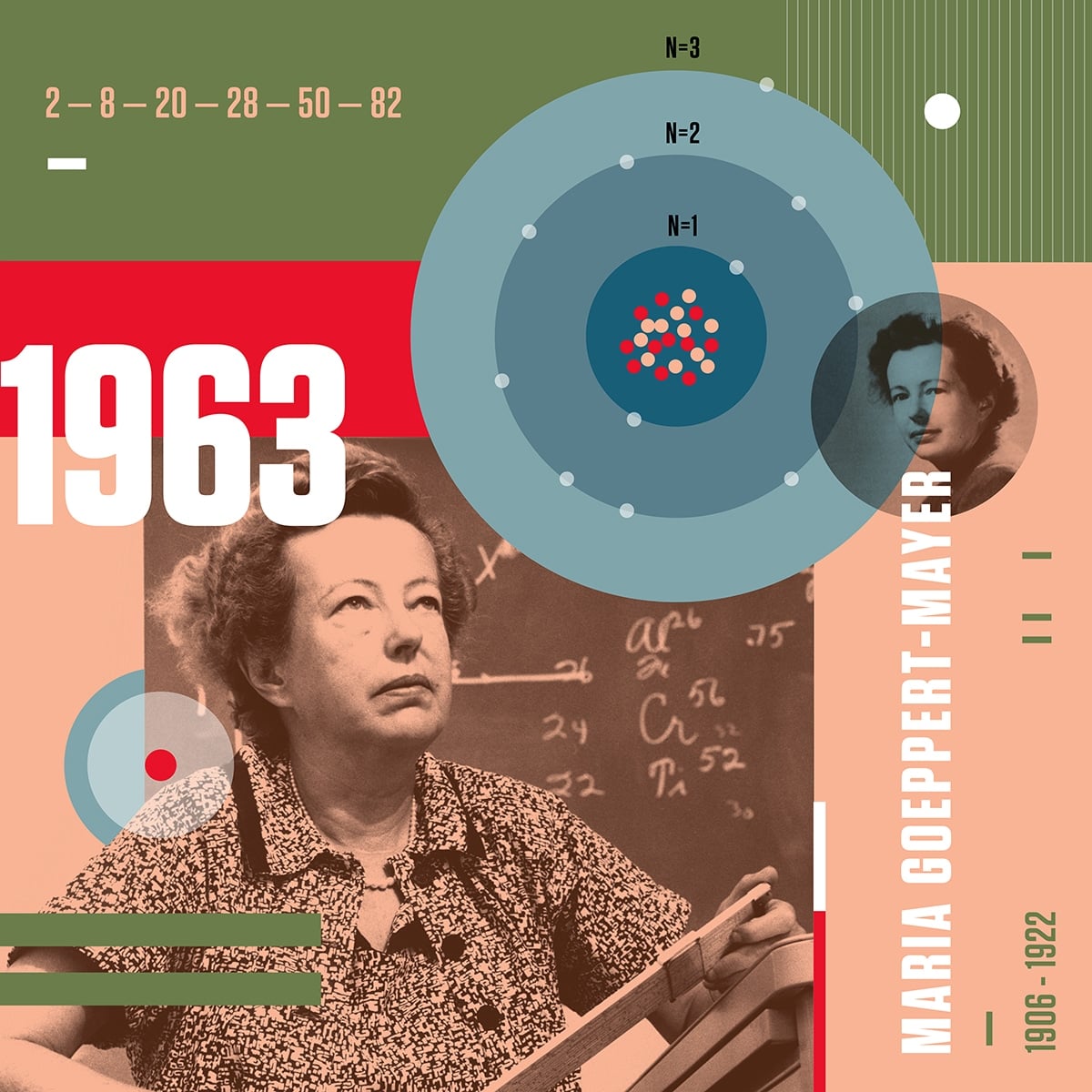
Maria Goeppert-Mayer
1906 - 1972
"The woman who discovered the structure of atomic nuclei"
1906
Born in Kattowitz, German Empire (today Katowice, Poland)
1930
Received her Ph.D. from the University of Göttingen
1930's
Began working as an assistant in the Physics Department at Johns Hopkins University, doing research when she could
1941 - 45
Worked on isotope separated with Harold Uley at Columbia University’s Substitute Alloy Materials Laboratory during the Manhattan Project
Late 1940's
Developed a model for the structure of nuclear shells while working at the University of Chicago and Argonne National Laboratory
1960
Appointed full professor of physics at the University of California San Diego
1963
Received the Nobel Prize in Physics for her work on the shell structure of the nucleus
1972
Died in San Diego, California
Maria Goeppert-Mayer, a German-born American theoretical physicist, is best known for proposing the nuclear shell model of the atomic nucleus. As known in modern physics, an atom is made up of a nucleus consisting of protons and neutrons surrounded by electrons distributed within shells with a fixed number of electrons. In 1949, Maria developed a model in which nucleons were distributed in shells with different energy levels. She won the Nobel Prize in physics for her groundbreaking work in 1963.
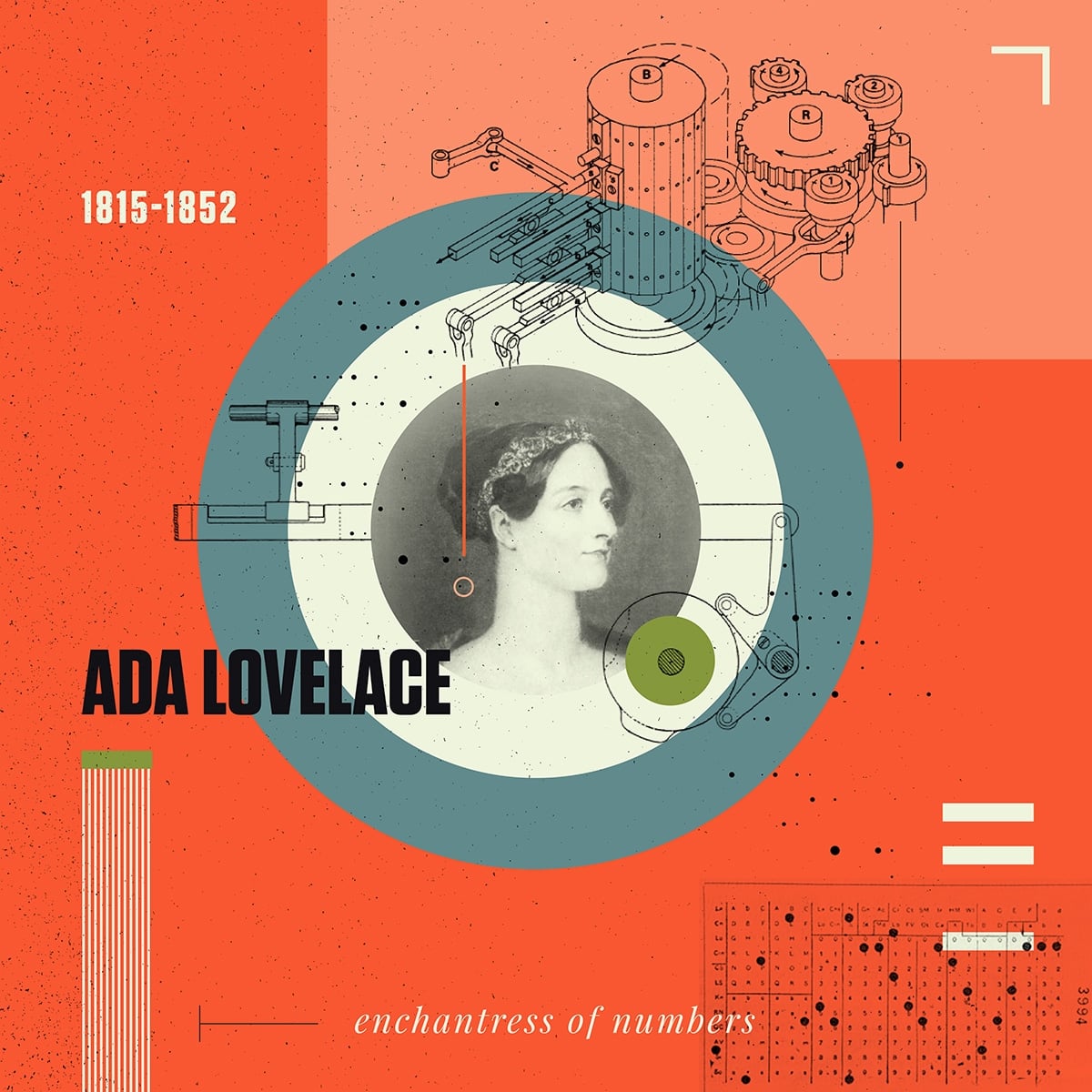
Ada Lovelace
1815 - 1852
"The world’s first computer programmer"
1820's
Learned about mathematics and science from tutors such as Mary Somerville and Augustus De Morgan
1833
Befriended mathematician and inventor Charles Babbage
1838
Became Countess of Lovelace
1843
Published her translation and notes regarding the Analytical Engine
Ada Lovelace was a countess, English mathematician and writer, most recognized for her work on Charles Babbage's early mechanical general-purpose computer, the Analytical Engine. She is regarded as the world's first computer programmer for her publication in 1843, suggesting the data input that would program the Analytic Machine to calculate Bernoulli numbers, now considered the first computer program. Babbage was so impressed, he dubbed her the "Enchantress of Numbers."
Beyond understanding the intricacies of Babbage's machine, Ada Lovelace was a visionary. She predicted what would happen 100 years in the future, that machines like the Analytical Engine could be used to compose music, create graphics, and would be vital for scientific progress. She understood that numbers could be used to represent so much more than just quantities. Lovelace became a brilliant mathematician, thanks in part to opportunities that were denied most women of the time. Born into aristocracy, the daughter of famous poet Lord Byron and Anne Isabella Milbanke, she was already destined for the history books. But her curiosity about how society relates to technology as a collaborative tool and contributions to the field of mathematics made her a pioneer.
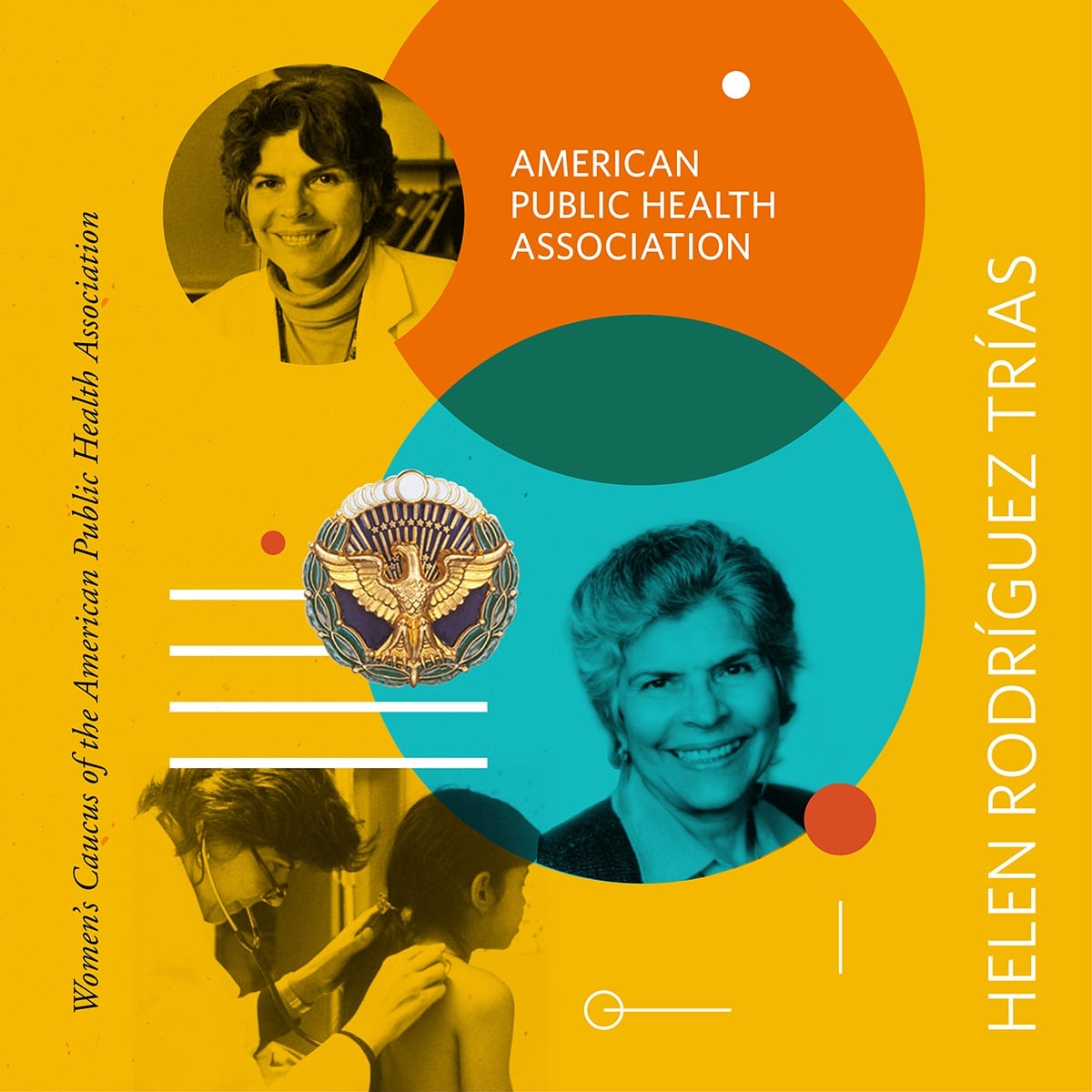
Helen Rodríguez-Trias
1929 - 2001
"An advocate for healthcare and social justice"
1957
Graduated with a bachelor’s degree from the University of Puerto Rico
1960
Graduated medical school at the University of Puerto Rico
1970
Founding member of the Committee to End Sterilization Abuse
1971
Founding member of the Women’s Caucus of the American Public Health Association
1993
First Latina to be elected president of the American Public Health Association
2001
Awarded the Presidential Citizen’s Medal by President Clinton
Died of cancer in New York City
Helen Rodríguez-Trias was a pediatrician and women’s rights activist, and was the first Latina to serve as president of the American Public Health Association.
During her years in Puerto Rico, Rodriguez-Trias became aware that unsuspecting Puerto Rican women were being sterilized and that Puerto Rico was being used by the United States as a laboratory for the development of birth control technology. Outraged, she began advocating for women's reproductive rights and campaigning for change at a policy level.
Throughout her career, Rodríguez-Trias advocated for low-income populations in the United States, Central and South America, Africa, Asia, and the Middle East. She fought for reproductive rights, worked with women with HIV, and joined the effort to stop sterilization abuse. In 2001 she was awarded the Presidential Citizen's Medal by President Clinton for her work on behalf of women, children, people with HIV and AIDS, and the poor.
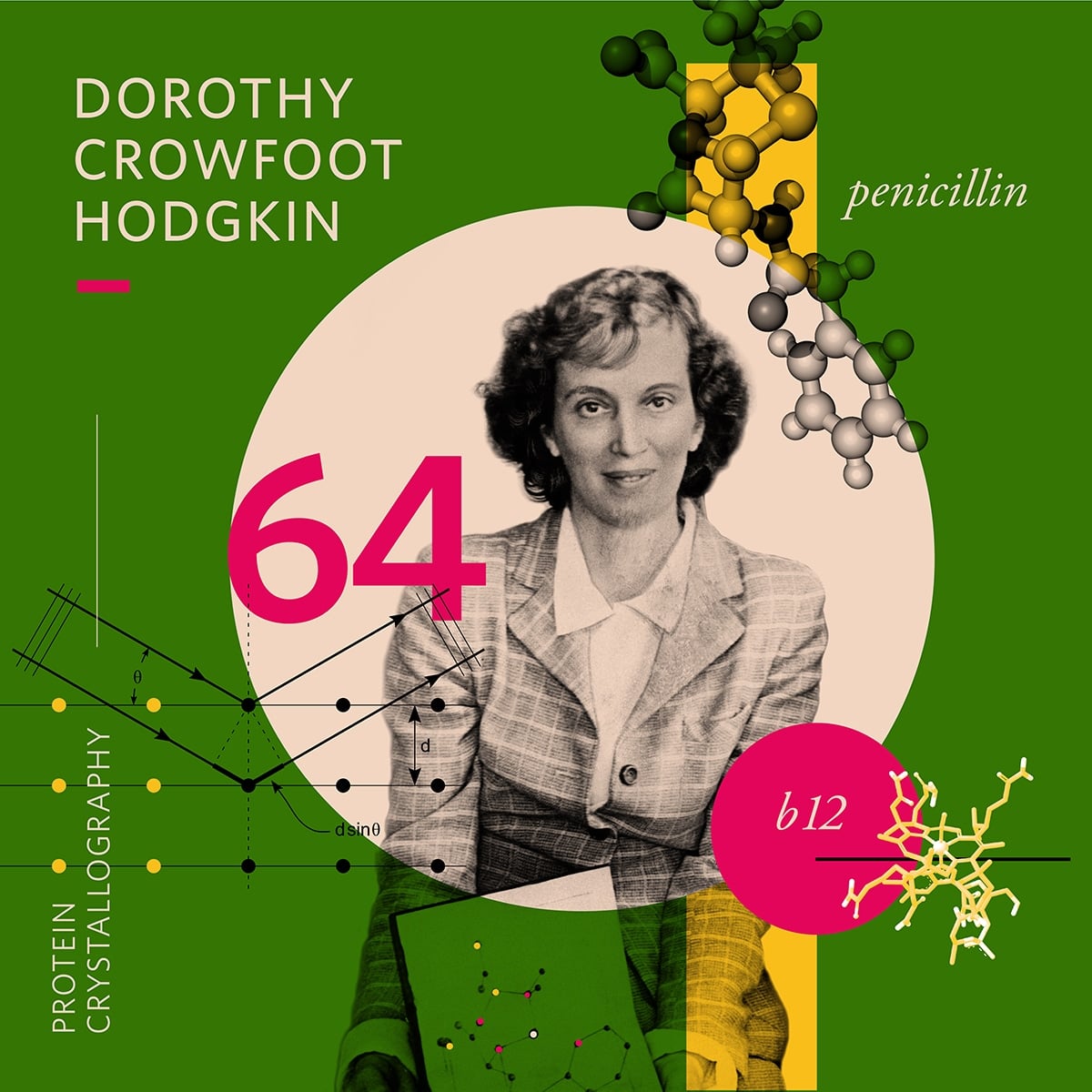
Dorothy Crowfoot Hodgkin
1910 - 1994
"The woman who discovered the crystal structure of insulin"
1932
Awarded a first-class honours degree in chemistry from Oxford University
1934
Received her Ph.D. in chemistry from Cambridge University
Returned to Oxford University, where she remained for the rest of her career
Began seeking the crystal structure of insulin
1964
Received the Nobel Prize in Chemistry for determining the crystal structure of penicillin and vitamin B12
1969
Finally determined the crystal structure of insulin
1976
First and only woman to receive the Copley Medal from the Royal Society
1994
Died in Ilmington, England
Dorothy Crowfoot Hodgkin was a British chemist who developed protein crystallography, for which she won the Nobel Prize in 1964. She revolutionized research with her advanced technique, which allowed her to determine the 3-D structures of biomolecules. Her most influential discoveries are the confirmation of the structure of penicillin and structure of vitamin B12. In 1969, after 35 years of work, she also deciphered the structure of insulin. Her work was described by her contemporaries as being as significant as "breaking the sound barrier." But she didn't stop at figuring out the structure of insulin, she continued research on insulin and travelled the world giving talks about its importance in diabetes. She was the third woman to win the Nobel Prize and among her numerous accolades also remains the only woman to ever receive the Copley Medal by the Royal Society.
Farida Bedwei
1979 - Present
"A software engineer unfazed by cerebral palsy"
1980
Diagnosed with cerebral palsy
2001
Hired as a senior software architect at Rancard Solutions in Ghana
2005
Received a B.S. in computer science from the University of Hertfordshire
2011
Founded Logiciel, a cloud banking system for microfinance based in Ghana
2013
Named the most influential woman in business and government in Africa’s financial sector by South Africa’s CEO Magazine
Farida Bedwei is a Ghanian software engineer who was diagnosed with cerebral palsy when she was only one year old. With passion and tenacity, she has become one of Africa’s most powerful women in financial technology.
Armed with only a one-year computer course, Bedwei convinced the head of the technical division at Soft, an African software company, to give her a job. Three years later, she moved to Rancard Solutions in Ghana to become a senior software architect – all before completing a bachelor’s degree.
After completing a one-year bachelor’s program in England, she returned to Ghana to work as the head of IT for G-Life Financial Services, where she and a colleague proceeded to develop a new cloud software called gKudi. In 2011, she left to start her own company, Logiciel, which specializes in software engineering for the microfinance industry.
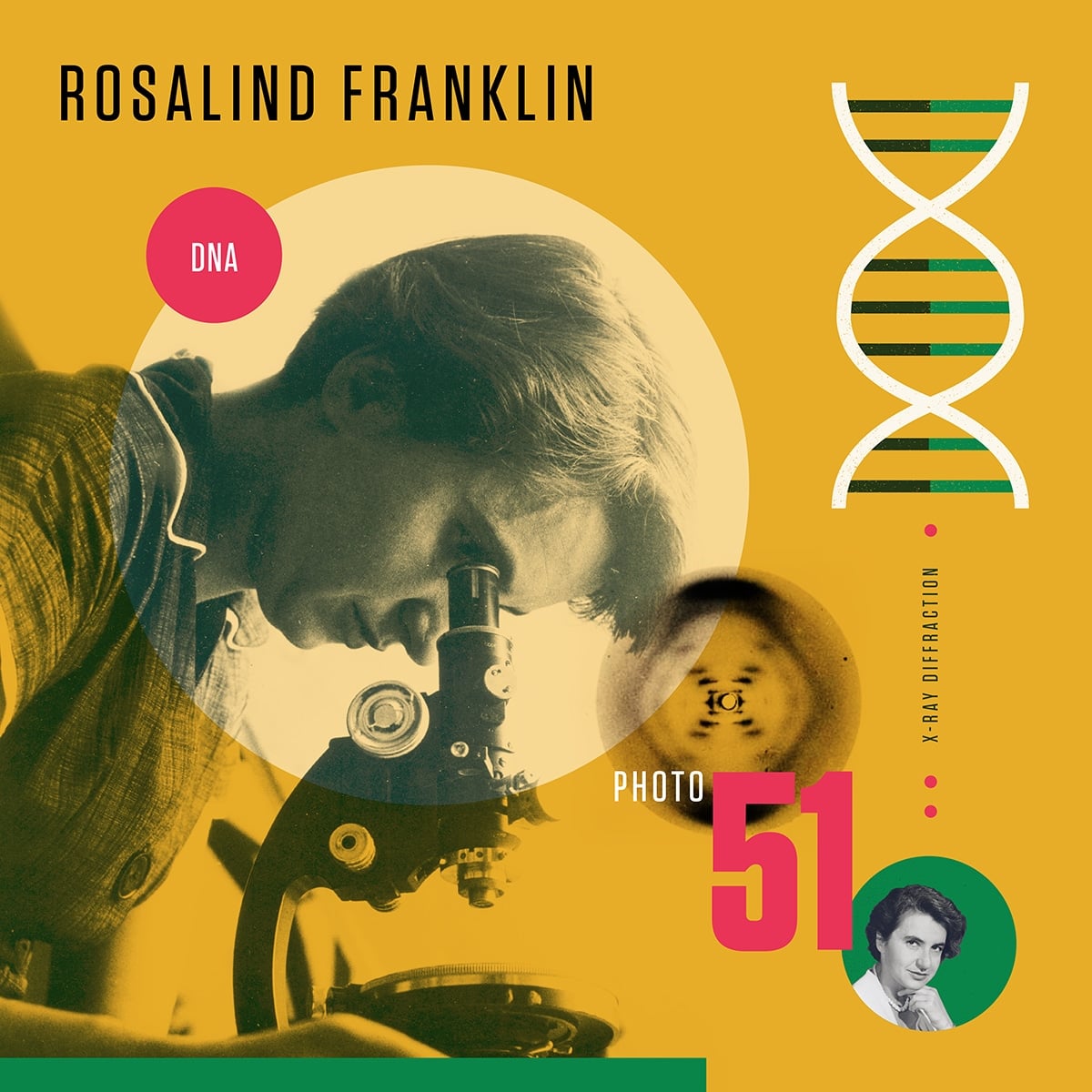
Rosalind Franklin
1920 - 1958
"Dame of DNA"
1941
Graduated from Cambridge University
1945
Received a Ph.D. for her work in physical chemistry from Cambridge University
1950
Began a fellowship at King’s College London where she developed crystallographic techniques and obtained detailed images of DNA
1953
Began research at Birkbeck College in London, focusing on RNA
1962
Remains uncredited in the Nobel Prize in Physiology or Medicine received by her colleagues
Rosalind Franklin used X-ray diffraction to take a picture of DNA that changed biology. Photo 51, her picture of DNA, was shown to James Watson and Francis Crick without her knowledge by her colleague Maurice Wilkins who thought she was just a lab assistant when she was heading up her own projects. This photo allowed Watson and Crick to deduce the correct structure for DNA. They published a series of articles in the scientific journal Nature in April 1953. Franklin also published in the same issue and provided even more details on DNA's structure. Though Franklin's image of DNA was critical to deciphering its structure, the 1962 Nobel Prize in Physiology or Medicine was only awarded to Watson, Crick and Wilkins. Her story is one of the most well-known and shameful instances of a researcher being robbed of credit.
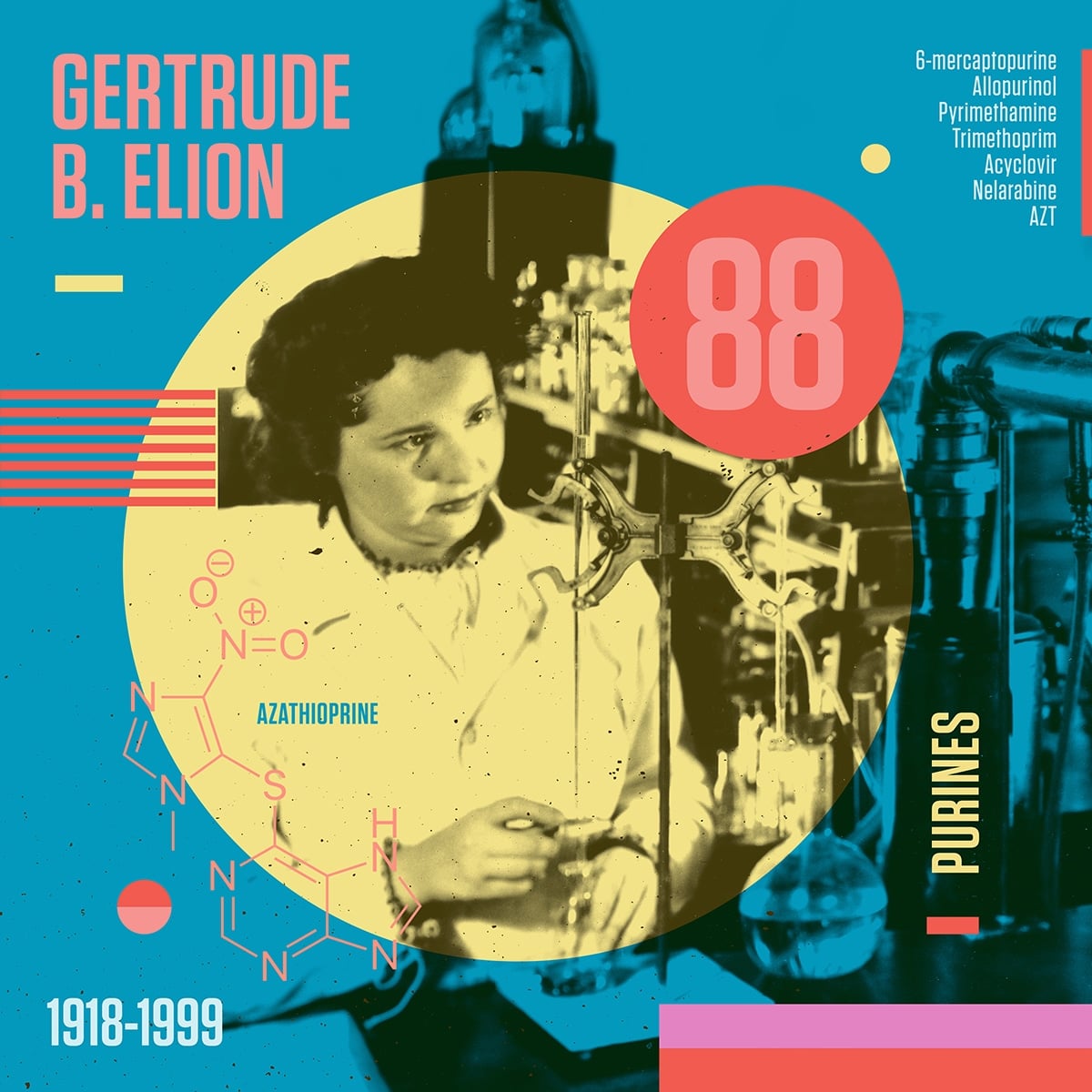
Gertrude B. Elion
1918 - 1999
"A trailblazer in drug development"
1937
Graduated with a B.S. in chemistry from Hunter College
1941
Completed a M.S. in chemistry from New York University
Unable to find a fellowship, she began working in quality control for A&P supermarkets
1944
Hired as George Hitching’s assistant at the Burroughs-Wellcome pharmaceutical company (now GlaxoSmithKline)
1950's
Worked with Hitchings to develop a systematic method for designing and producing drugs
1967
Appointed Head of the Department of Experimental Therapy at Burroughs-Wellcome
1988
Received the Nobel Prize in Physiology or Medicine for her work in drug treatment
1999
Died in Chapel Hill, North Carolina
Gertrude B. Elion was an American biochemist and pharmacologist. She developed a multitude of drugs using innovative research methods that would later lead to the development of the AIDS drug AZT. She also developed the first immunosuppressive drug, azathioprine, used for organ transplants. She worked largely with purines developing the first treatment for leukemia, and treatments for gout, malaria, cancer and meningitis. She won the Nobel Prize in 1988 for her extraordinary work.
Elion made the difficult decision to leave Brooklyn Polytechnic Institute midway through her Ph.D. studies when faced with the ultimatum of quitting her job at Burroughs-Wellcome to focus on her doctoral work full time. Years later, however, she was awarded honorary doctorates from George Washington University, Brown University and the University of Michigan.
Sylvia Earle
1935 - Present
"The Sturgeon General"
1935
Born in Gibbstown, New Jersey
1955
Completed a bachelor’s degree in botany at Florida State University
1966
Received a Ph.D. from Duke University
1970
Led the all-female aquanaut team for the project Tektite II
1979
walked on the sea flower at a lower depth than any other woman
1990 - 92
Served as chief scientist for the National Oceanic and Atmospheric Administration (NOAA)
2009
Won the TED Prize and began her Mission Blue initiative
Sylvia Earle is an American marine biologist and explorer. She has been a NatGeo explorer-in-residence since 1998. She was the first female chief scientist of the US National Oceanic and Atmosphere Administration and was named TIME Magazine's first Hero of the Planet in 1998. After receiving her PhD in 1966, and spending a year at Harvard as a research fellow, she was selected to lead the all-female aquanauts team of Tektite II, with the goal of exploring the marine environment and deepwater habitats. She is often referred to as "Her Deepness" or "The Sturgeon General". She began her initiative, Mission Blue, in 2009 after winning the TED Prize. The program aims to establish marine protected areas around the globe. She remains heavily involved in marine conservation and exploring deep ocean environments.
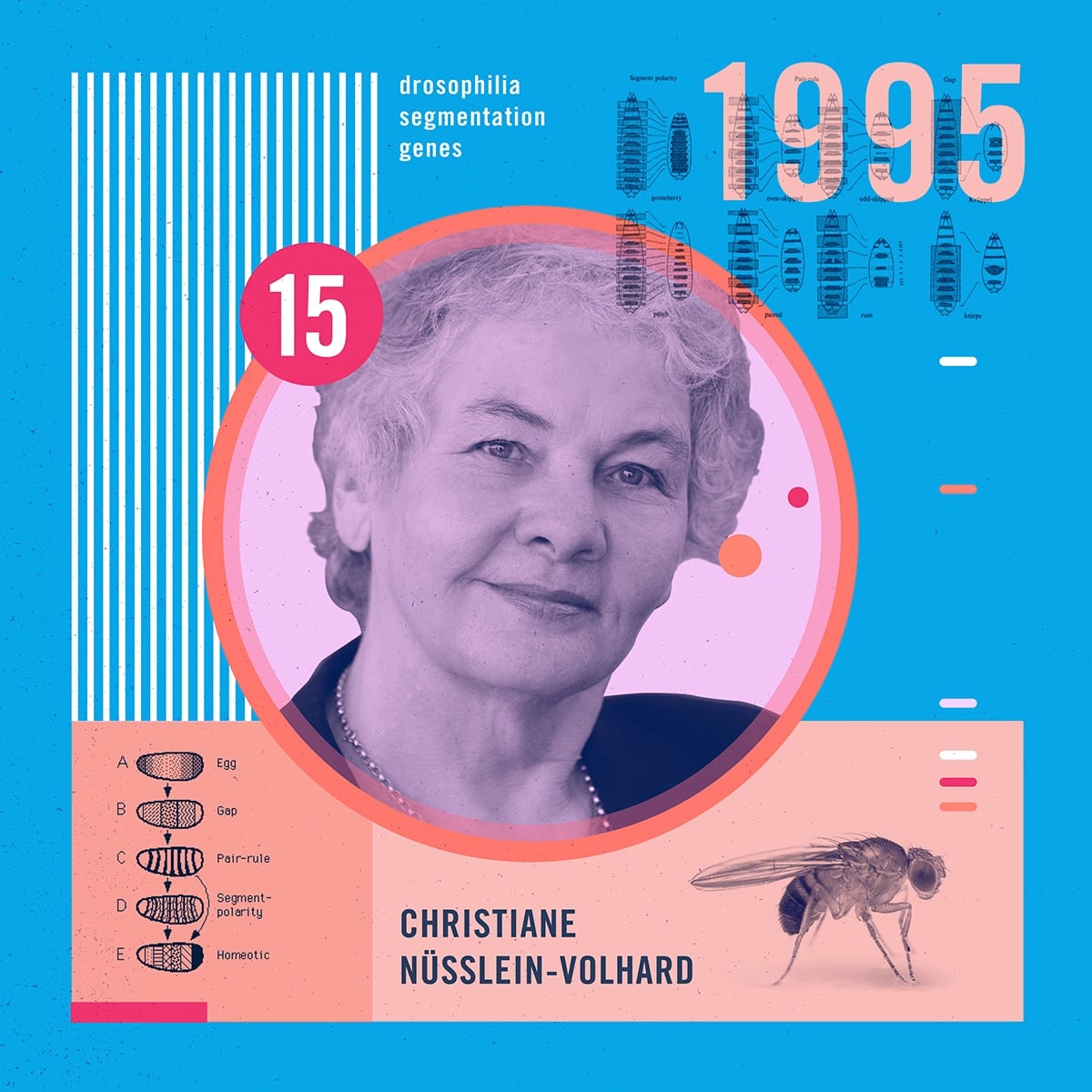
Christiane Nüsslein-Volhard
1942 - Present
"Genetics Genius"
1942
Born in Magdeburg, Germany
1969
Received a diploma in biochemistry from the University of Tübingen
1974
Received a Ph.D. from the University of Tübingen
1980
Identified the 15 genes that direct new fruit fly formation
1985
Appointed director of the Max Planck Institute for Developmental Biology in Tübingen
1995
Received the Nobel Prize in Physiology or Medicine for her work on the genetic control of early embryonic development
In more advanced organisms, life begins when a fertilized egg divides and forms new cells that in turn divide and segment off to make up the heart, brain, hair for example. Genes regulate this process. Christiane Nüsslein-Volhard, a German developmental biologist, studied the development of fruit flies and, around 1980, succeeded in identifying and classifying the 15 genes that direct the cells to form a new fly. She won the Nobel Prize in 1995 for this groundbreaking work.
Nüsslein-Volhard has been awarded honorary doctorates from the University of Utrecht, Princeton University, the University of Freiburg, and Harvard University. She has won many awards for her work and even had an asteroid named in her honor: the 15811 Nüsslein-Volhard.
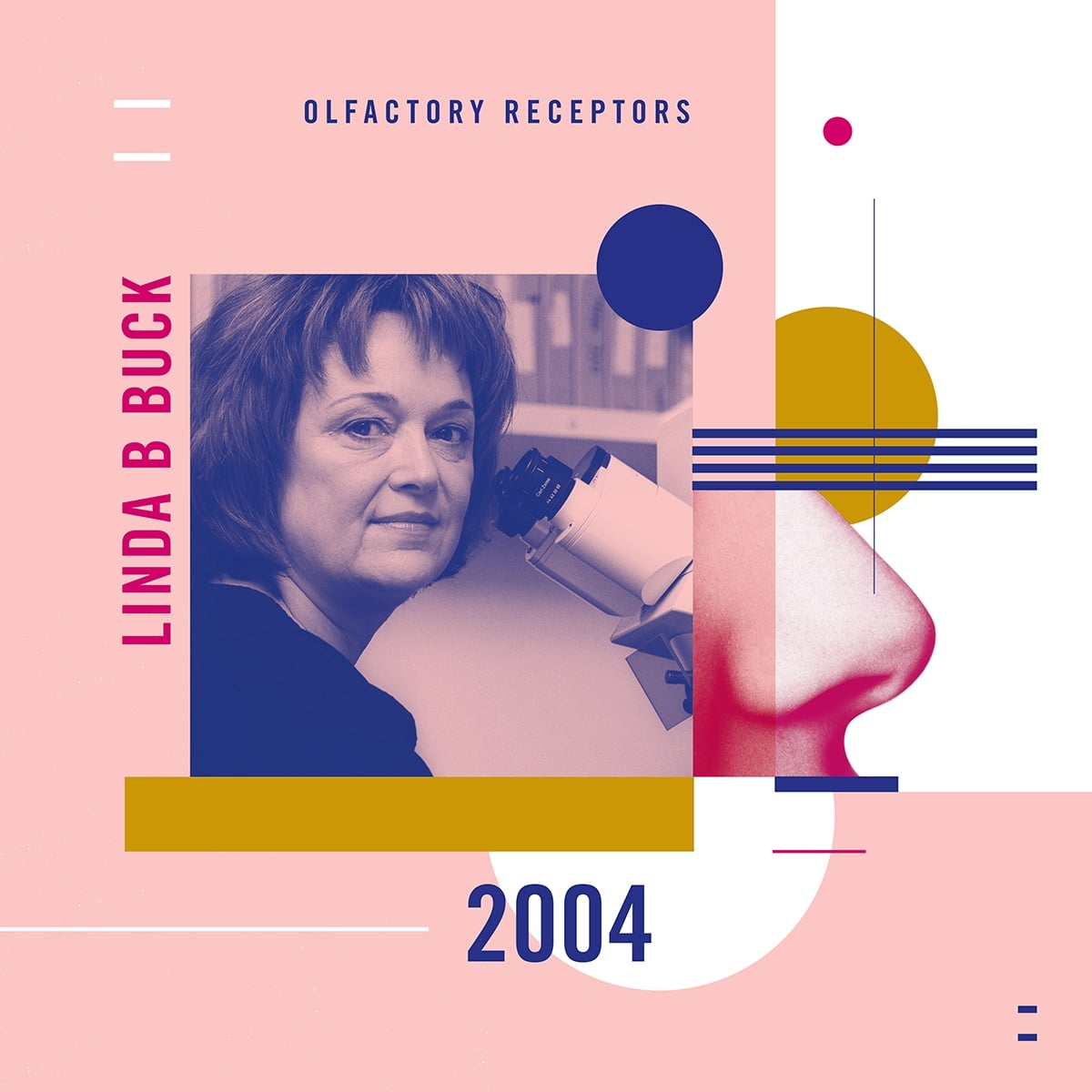
Linda Buck
1947 - Present
"The woman who decoded the olfactory system"
1947
Born in Seattle, Washington
1980
Received a Ph.D. in immunology from the University of Texas Southwestern Medical Center at Dallas
1988
Began searching for odorant receptors
1991
Published a landmark paper after discovering hundreds of gene codes for odorant sensors
1992
Received the Takasago Award for Research in Olfaction
2004
Received the Nobel Prize in Physiology or Medicine for her Linda B Buck is an American biologist known for her work on the olfactory system.
In 1980, Linda began her post-doctoral research at Columbia University where she set out to map out how pheromones and odors are detected in the nose and interpreted by the brain. Her landmark paper published in 1991 described how hundreds of genes code for the odorant sensors located in the olfactory neurons of our noses. Each receptor is a protein that changes when an odor attaches to the receptor, causing a signal to be sent to the brain. By analyzing rat DNA, she was able to estimate that there are about 1000 different genes for olfactory receptors in the mammalian genome. Remarkably, each olfactory neuron only expresses one kind of olfactory receptor protein, and the input from neurons expressing the same receptor is collected by a single dedicated glomerulus, a spherical structure in the olfactory bulb that shuttles the signal to the rain. She won the Nobel Prize in Physiology or Medicine in 2004 for her work on olfactory receptors. Her work has opened the doors to the genetic and molecular analysis of our sense of smell.
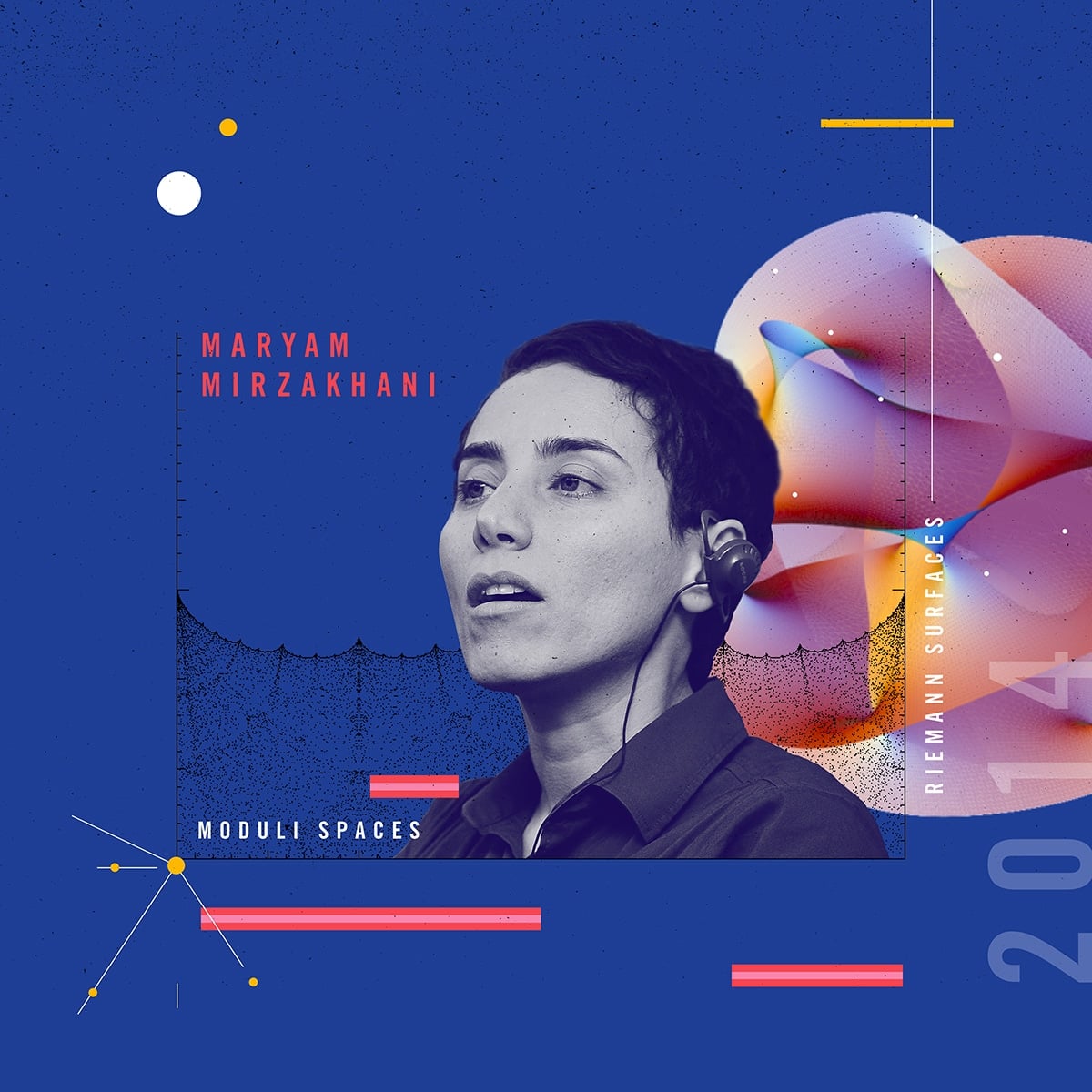
Maryam Mirzakhani
1977 - 2017
"The woman who made mathematics history"
1995
First Iranian student to earn a perfect score and win two gold medals at the International Mathematical Olympiad
1999
graduated with a B.S. in mathematics from the Sharif University of Technology in Iran
2004
Graduated with a Ph.D. in mathematics from Harvard University
2013
Diagnosed with breast cancer
2014
Received the Fields Medal for her work on Riemann surfaces
2017
Died in Stanford, California due to cancer
Maryam Mirzakhani made mathematics history on August 13, 2014 when she became both the first woman and the first Iranian honored with the Fields Medal, the most prestigious award in mathematics. Her sophisticated and highly original research contributions include Teichmüller theory, hyperbolic geometry, ergodic theory, and symplectic geometry. She focused on understanding the symmetry of curved surfaces, such as spheres, the surfaces of doughnuts and of hyperbolic objects.
She was the first woman to win the world's most prestigious mathematics prize for the first time since the award was established nearly 80 years ago. Her work has the potential to influence many areas of study, including material science, engineering, quantum field theory, and even theoretical physics as it applies to the origin of the Universe.
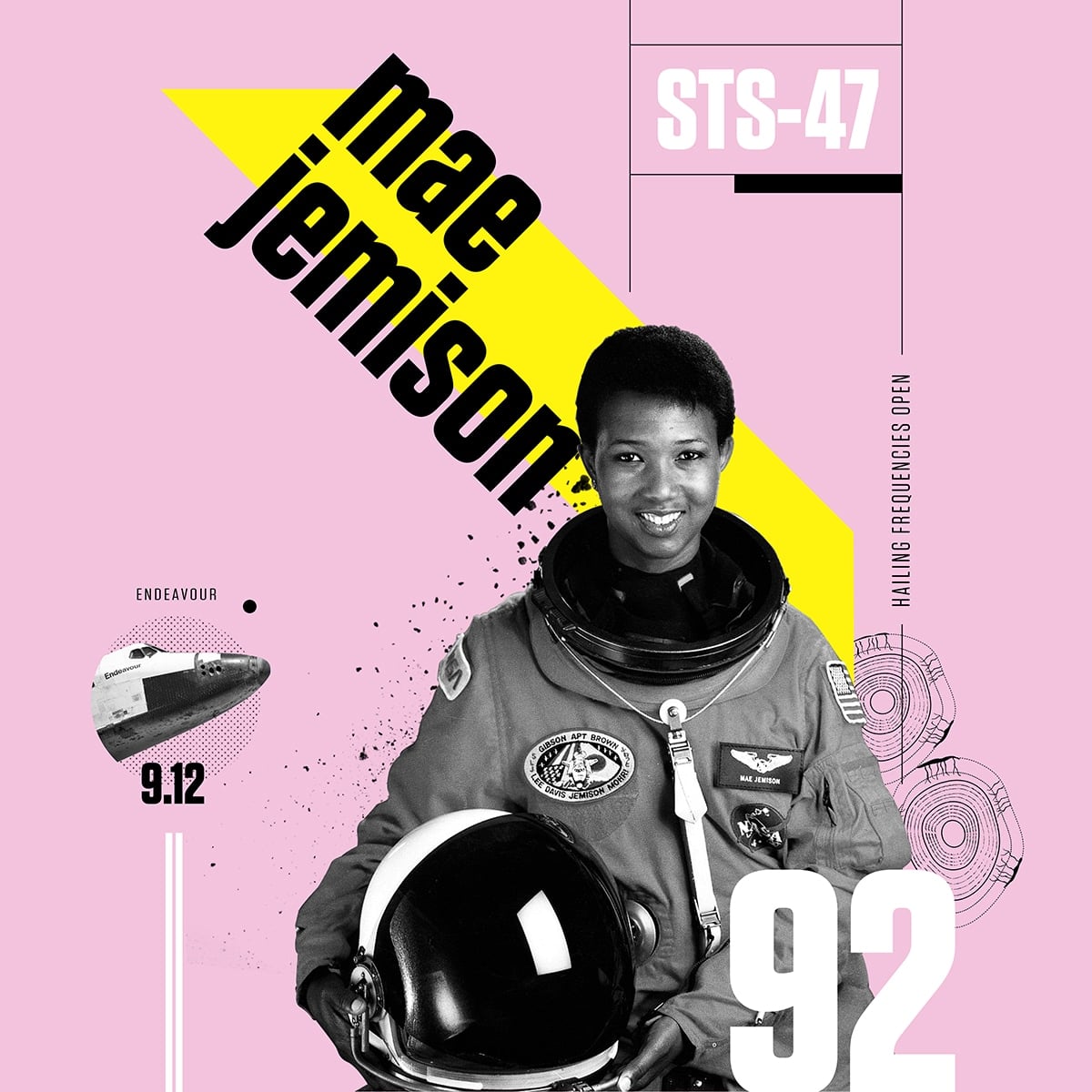
Mae Jemison
1956 - Present
"The first black woman in space"
1977
Graduated with a B.S. in chemical engineering from Stanford University
1981
Graduated with an M.D. from Cornell Medical College
1983 - 85
Served as a Peace Corps Medical Officer in Liberia and Sierra Leone
1987
Selected for the NASA astronaut program
1992
Served as a mission specialist on the STS-47 mission
1993
Resigned from NASA and founded the Jemison Group
1995 - 2002
Professor of Environmental Studies at Dartmouth College
Mae Jemison was not only the first black woman to travel in space but also an accomplished engineer and physician. On September 12, 1992, she flew into space on the Shuttle Endeavour for mission STS-47. As mission specialist, she was responsible for conducting scientific experiments exploring weightlessness, motion sickness and bone cells while on the shuttle. Despite NASA's rigid protocol, she would always begin each shift with a salute that only a Trekkie could appreciate, "hailing frequencies open" she would repeat throughout the 8-day mission. Because of her love of dance, she took an Alvin Ailey poster with her on the mission saying that "science and dance are both expressions of the boundless creativity that people have to share with one another". She left NASA in 1993 to start the Jemison Group that researches, markets and develops science and technology for daily life.
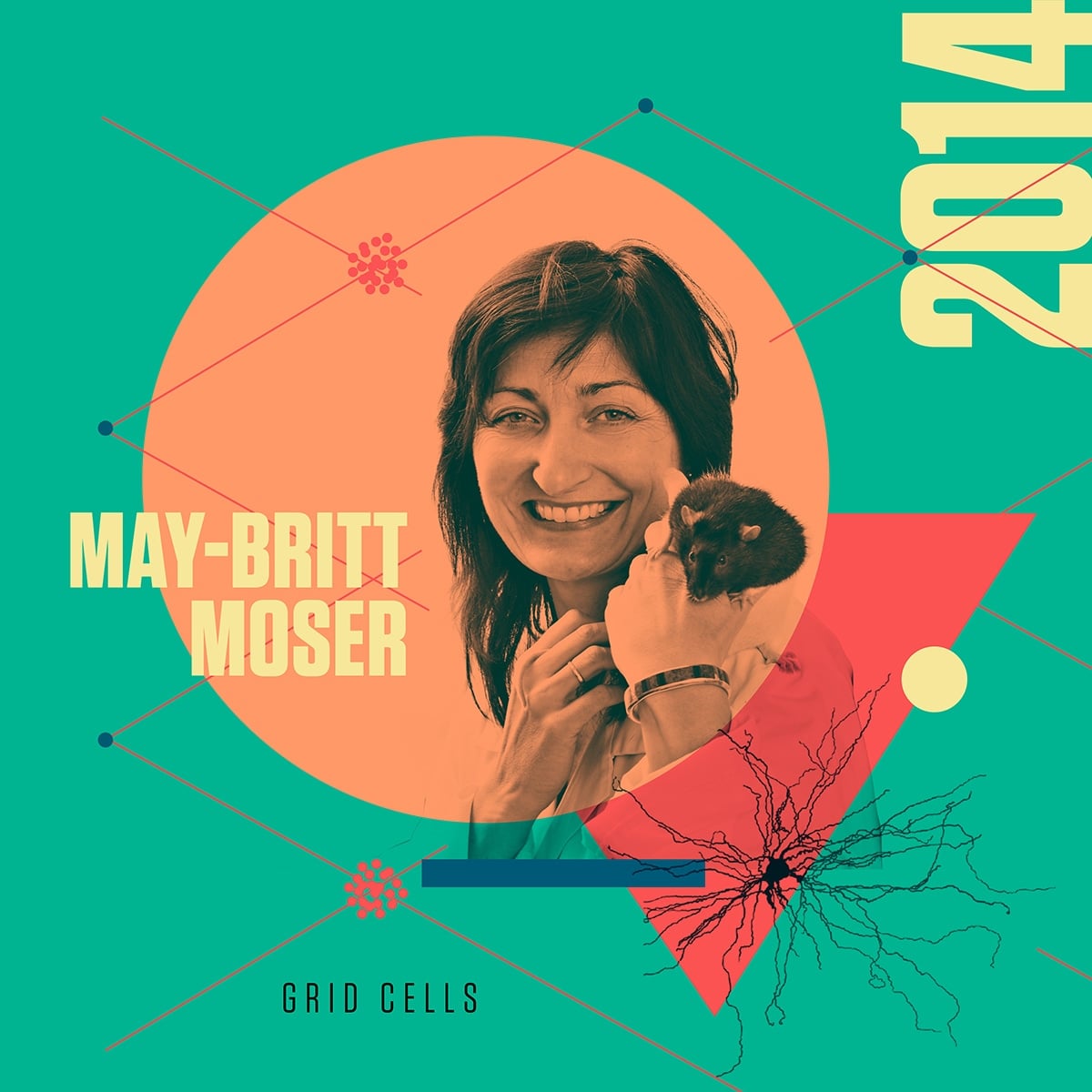
May-Britt Moser
1963 - Present
"Queen of Neuroscience"
1990
Received a bachelor’s degree in psychology from the University of Oslo
1995
Received a Ph.D. in neuropsychology from the University of Oslo
1996
Appointed associate professor in biological psychology at the Norwegian University of Science and Technology
2005
Discovered grid cells in the dorso-medial entorhinal cortex
2014
Received the Nobel Prize in Physiology or Medicine
May-Britt Moser is a Norwegian psychologist and neuroscientist, and heads up the Center for Neural Computation at the Norwegian University of Science and Technology. May-Britt pioneered research on the brain's mechanism for representing space. She won the Nobel Prize in 2014 for her discovery of grid cells in the entorhinal cortex and several other space representing neurons that make up the positioning system of the brain. She's studied correlations between the anatomical structure of the hippocampus and social learning in rats, which laid the foundation for new research into the cognitive and spacial deficits associated with neurological conditions such as Alzheimer's disease.
Fun fact: she accepted her Nobel Prize in a specially designed gown depicting grid cells.
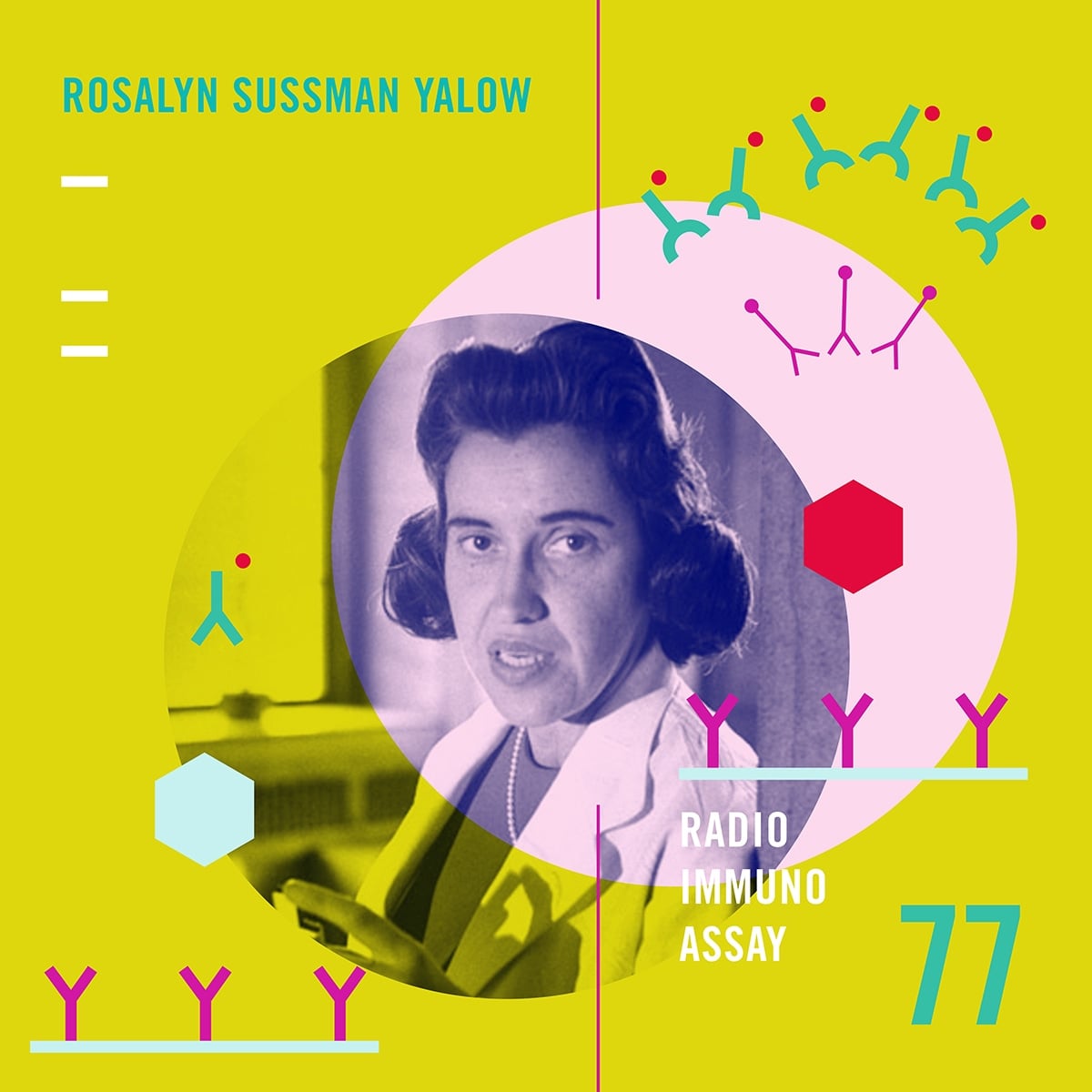
Rosalyn Sussman Yalow
1921 - 2011
"The woman behind the radioimmunoassay"
1941
Graduated from Hunter College in New York
1945
Graduated with a Ph.D. in physics at the University of Illinois at Urbana-Champaign
1947
Began consulting part time at the Bronx VA Medical Center
1950
Transitioned to full time work at the Bronx VA, working with Dr. Solomon Berson on radioisotopes and clinical diagnosis
1972
Received the William S. Middleton Award for Excellence in Research
1976
First woman to receive the Albert Lasker Award for basic medical research
1977
Received the Nobel Prize in Medicine for her role in developing the radioimmunoassay
2011
Died in the Bronx, New York
Rosalyn Sussman Yalow, was an American medical physicist and winner of the 1977 Nobel Prize in Physiology or Medicine for the development of the radioimmunoassay (RIA) technique. RIA is a technique used to measure minute quantities of hormones and other antigens in the human body. Rosalyn first used it to study insulin levels in diabetes mellitus but it has been widely used in a number of detection screens, from looking for the presence of drugs to identifying certain disease or allergy markers like peptic ulcers. The process involves "tagging" or labeling known antigens with radioactive isotopes so they can be easily identified. RIA is considered the pioneer in nuclear medicine radioactive measurements because radioactive substances show up with great accuracy and clarity. Though it is still used in labs around the world, labs are shifting towards methods that rely less on radioactivity.
Rosalyn started out as a part-time secretary, not believing that any graduate school would admit and provide financial support to a woman. But soon after picking up some stenography skills on the side she was offered a teaching assistantship at the University of Illinois because the university decided to offer spots to women instead of shut down, since WWII had sent most of the men overseas. She earned her PhD there and was the only woman among the department's 400 members and the first since 1917. For her extraordinary work she was awarded the 1972 William S. Middleton award, the highest honor of the VA Medical Center. She was also the first woman to receive the Albert Lasker Award for Basic Medical Research.
Valerie Thomas
1943 - Present
"Inventor of the illusion transmitter"
1964
Received her bachelor’s degree in physics from Morgan State University in Baltimore, Maryland
Began working as a data analyst for NASA
1970's
Managed the development of Landsat image processing systems for NASA
1974
Led a 50-person team for the collaborative Large Area Crop Experiment to automate wheat yield prediction
1977
Began research on concave mirrors which led to the development of the illusion transmitter
1980
Received a patent for her illusion transmitter
Valerie Thomas is an American scientist and inventor who patented the illusion transmitter in 1980. After seeing an illusion that involved concave mirrors and light bulbs in a museum, she became curious about how she might apply concave mirrors in her work at NASA. Her invention, the illusion transmitter grew out of her experimentation with concave mirrors. You could call it early 3D technology. Her invention transmits an optical illusion of a 3D image between concave mirrors that looks real on the receiving end. NASA continues to use her technology to this day. She also developed real-time computer data systems to support satellite control centers and oversaw the creation of the NASA Landsat program that spearheaded some of the first image transmissions from space.
Gertrude Cox
1900 - 1978
"The statistical bridge between theoreticians and research workers"
1929
Received a B.S. in mathematics from Iowa State College
1931
Received the first master's degree awarded in statistics from Iowa State College
1940 - 41
Appointed to organize and head a Department of Experimental Statistics in the School of Agriculture at North Carolina State College
Became the first female full professor and first female department head at North Carolina State College
1944
Became the director of the newly-established Institute of Statistics at North Carolina State College
Made a fellow of the American Statistical Association and the Institute of Mathematical Statistics
1945
Became the first editor of the Biometrics Bulletin of the Biometric Section of the American Statistical Association
1947
Founded the Biometric Society
1950
Published “Experimental Designs,” a book cowritten with William G. Cochran
1956
Was the president of the American Statistical Association
1957
Made an honorary Fellow of the Royal Statistical Society
1958
Awarded an honorary doctor of science degree from Iowa State University
1970
Cox Hall, the current home of the Department of Statistics, is dedicated at North Carolina State University
1975
Elected to the National Academy of Sciences
Gertrude Cox, born in Iowa, was an influential figure whose work helped to establish and shape many of the statistic institutes still around today. While she originally planned to become a deaconess in the Methodist Episcopal church, she pursued a more academic route, receiving a degree in mathematics from Iowa State College in 1929 and the first master’s degree awarded in statistics two years later. in 1939, she became a research assistant professor and began her explorations on experimental design. Her assembled notes on standard design eventually led to ‘Experimental Designs,’ a textbook co-authored by William G. Cochran and published in 1950; this textbook is still widely referenced today as a comprehensive resource in the field of experimental design.
Cox’s accomplishments boast many administrative roles and duties; among them, she served as the director of North Carolina State College (1944), the new Department of Mathematical Statistics at the University of North Carolina - Chapel Hill (1946), and the Department of Biostatistics at the School of Public Health based in University of North Carolina - Chapel Hill (1949). She was known for her strong skill as an administrator, having employed many exceptional faculty and staff during her directorship.
Cox was awarded many honors throughout her life; most notably, in 1949, she became the first female elected into the International Statistical Institute. As the founder of the Department of Experimental Statistics at North Carolina State University, the current home of the Department of Statistics, Cox Hall, has stood in her honor since 1970.
Designed by Lisa Wong.
Inspired by 'Beyond Curie,' a design project by Amanda Phingbodhipakkiya.
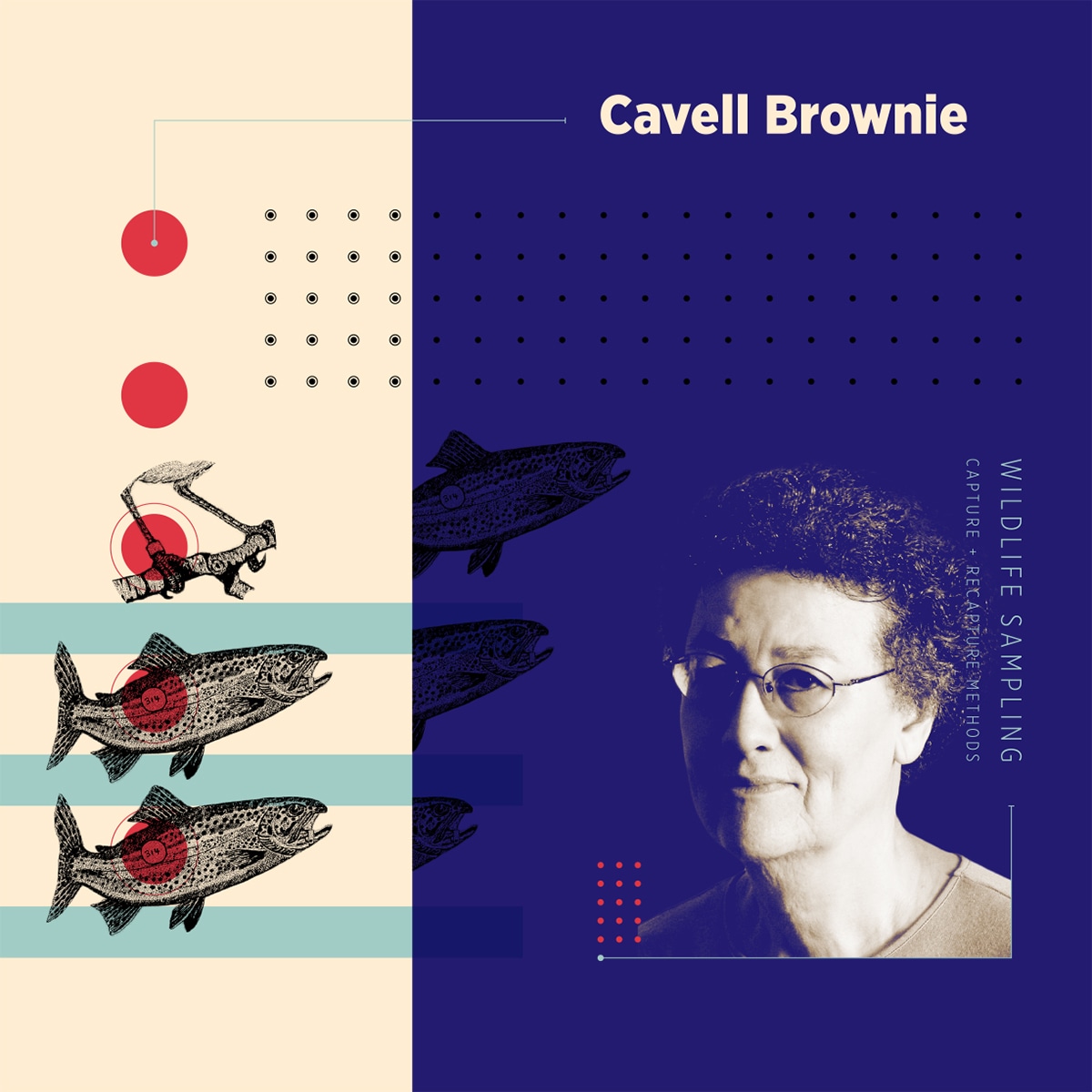
Cavell Brownie
? - Present
"Wildlife sampling extraordinaire"
1973
Received a Ph.D. in Biometrics from Cornell University
1982 - 2007
Served as a faculty member at North Carolina State University
1983
Winner of the Snedecor Award
1988 - 89
Winner of the D.D. Mason Award
1990
Winner of the Snedecor Award
2003
Made a fellow of the American Statistical Association
2011
The Dr. Cavell Brownie Mentoring Faculty Award is established
Cavell Brownie, a leading researcher in wildlife sampling, has co-authored two highly-cited and widely-published monographs relevant to this field. She has previously served as a faculty member in the statistics department at North Carolina State University from 1982 through 2007. Brownie’s other research interests include agricultural statistics and capture/re-capture methods.
Brownie was the recipient of the 1988-1989 D.D. Mason Award for her “dedicated and outstanding leadership of the department's statistical consulting training program” and “high standards of scholarship in research, consulting and teaching.” The Dr. Cavell Brownie Mentoring Faculty Award, established in 2011 and awarded annually, is named in recognition of Brownie’s generous mentoring and seeks to encourage similar practices by current faculty.
Designed by Lisa Wong.
Inspired by 'Beyond Curie,' a design project by Amanda Phingbodhipakkiya.
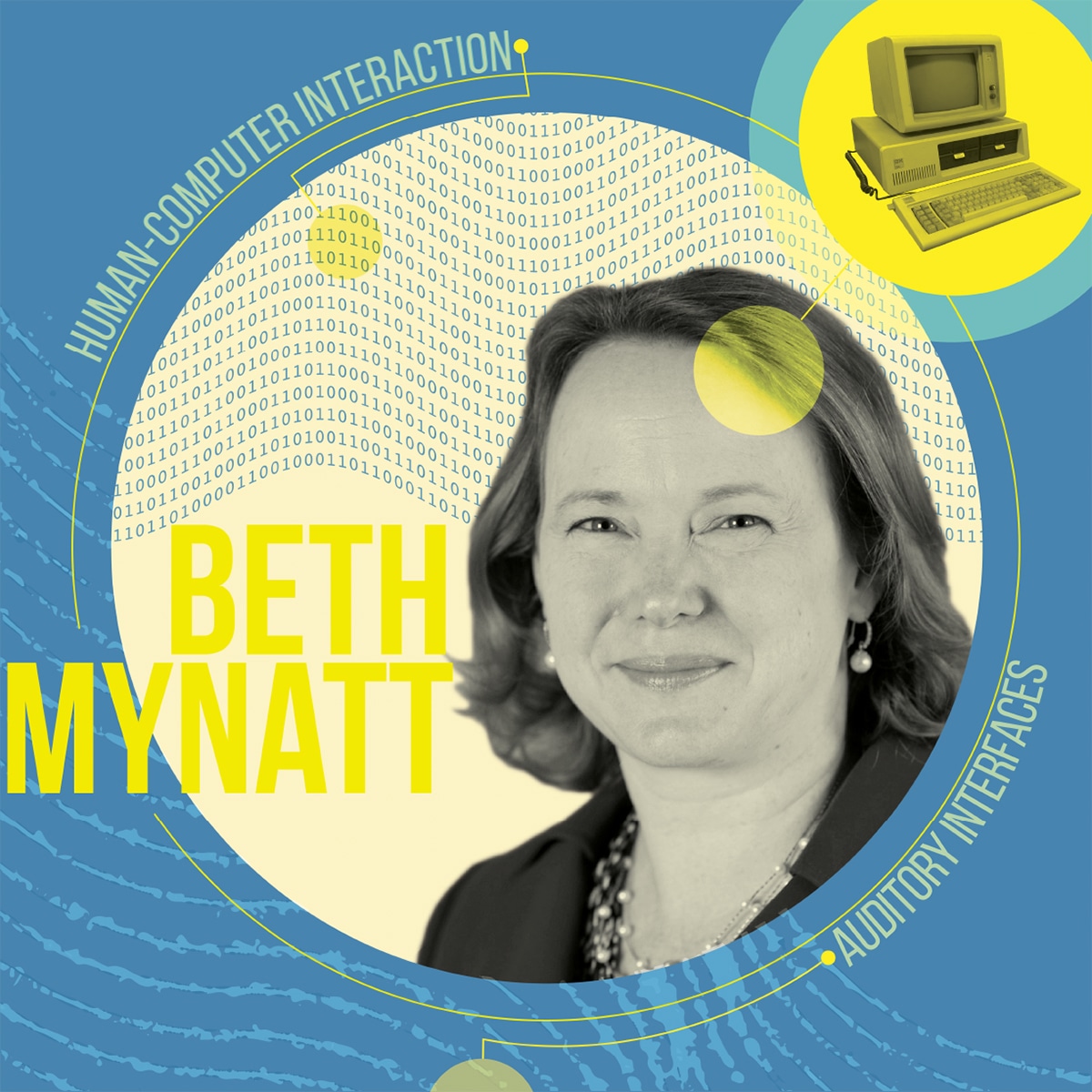
Beth Mynatt
1966 - Present
"A champion for accessible technology"
1966
Born in Knoxville, Tennesee
1988
Graduated North Carolina State University summa cum laude with a BS in computer science
1989
Received masters degree in information and computer science at Georgia Institute of Technology
1995
Received PhD in computer science at Georgia Institute of Technology
1998
Became assistant professor at Georgia Institute of Technology
2002
Became associate professor at Georgia Institute of Technology
2004
Made director of the Aware Home Research Initiative
2005
Appointed director of GVU (Graphics, Visualization, and Usability) Center at Georgia Institute of Technology
2006
Made associate director of the Health Systems Institute
2010
Awarded a Google Research award
Beth Mynatt’s work and research is primarily focused on the accessibility and usability of technology, including its use as a means for visual communication; her thesis was entitled Audio GUIs: Transforming Graphical User Interfaces into Auditory Interfaces. Mynatt taught courses ranging from Human-Computer Interaction to Media Consumption at the Georgia Institute of Technology before branching out to similar research fields.
Mynatt currently holds, and has previously held, various administrative positions at the Aware Home Research Initiative, the GVU Center at the Georgia Institute of Technology, and the Health Systems Institute. In addition, she directs her own research program “Everyday Computing,” in which ubiquitous computing and its advantages in improving everyday life is studied. Mynatt has been internationally recognized for her work and is currently a professor of Interactive Computing at Georgia Institute of Technology as well as the executive director of the Institute for People and Technology.
Designed by Danny Schmidt.
Inspired by 'Beyond Curie,' a design project by Amanda Phingbodhipakkiya.
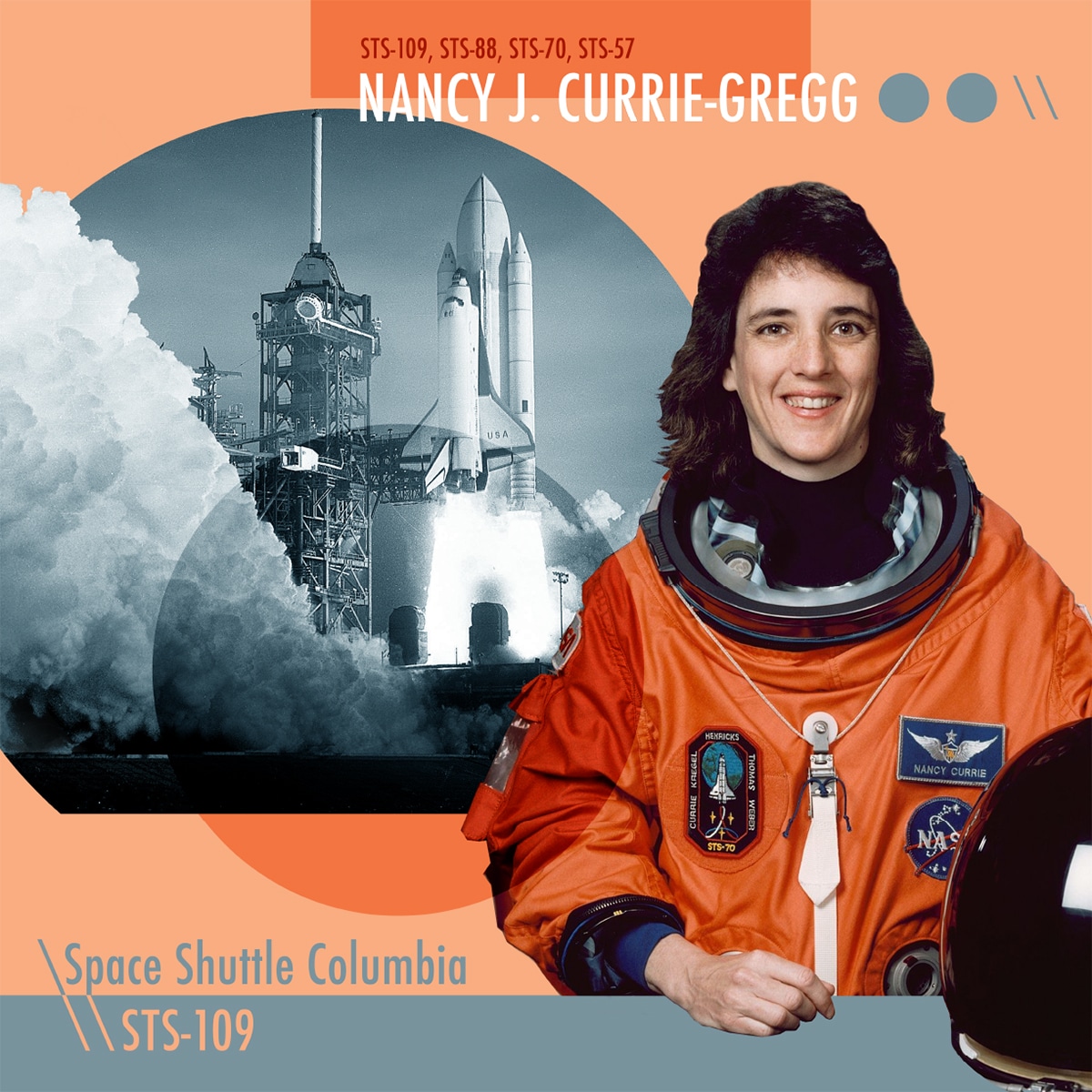
Nancy J. Currie-Gregg
1958 - Present
"The space robotic system operations expert"
1958
Born in Wilmington, Delaware
1980
Graduated with a Bachelor of Arts degree, with honors, in biological science from Ohio State University
1985
Earned her Master of Science degree in safety engineering from the University of Southern California
1990
Became an astronaut for NASA
1993
Flew as a mission specialist – flight engineer on flight STS-57, Endeavor
1995
Conducted experiments on flight STS-70, Discovery
1997
Completed her Doctorate in industrial engineering from the University of Houston
1998
Flew on the first International Space Station assembly mission, Flight STS-88 Endeavour
2002
Operated robotic arm of Flight STS-109, Columbia
Selected to lead the Space Shuttle Program’s Safety and Mission Assurance Office.
2006
Promoted to the Senior Technical Advisor to the Automation, Robotics, and Simulation Division in the JSC Engineering Directorate.
After graduation with her bachelors, Nancy J. Currie-Gregg attended rotary-wing pilot training, successfully completed her training, and was assigned as an instructor pilot at the U.S Army Aviation School. After holding numerous positions and promotions, Master Army Aviator Currie-Gregg has collectively logged over 3,900 hours of various aircraft flying time. Assigned to NASA Johnson Space Center in September 1987 as a flight simulation engineer for the Shuttle Training Aircraft, Currie-Gregg would officially become an astronaut in 1990.
With 1,000 hours documented in space, Currie-Gregg is a veteran of four Space Shuttle Missions including STS-57 (1993), STS-70 (1995), STS-88 (1998), and STS-109 (2002). Her expertise in space robotic system operations has made an enormous impact on the field of robotics and space systems; she is the author or co-author of 11 technical journal articles regarding human factors engineering and robotics.
Currie-Gregg is a member of Army Aviation Association of America, Phi Kappa Phi, Ohio State University and ROTC Alumni Associations, Institute of Industrial Engineers, and Human Factors and Ergonomics Society. She currently holds an appointment as an Adjunct Associate Professor in the Department of Industrial Engineering at North Carolina State University.
Designed by Téa Blumer.
Inspired by 'Beyond Curie,' a design project by Amanda Phingbodhipakkiya.
Trudy Mackay
1952 - Present
"A specialist in quantitative genetics"
1974
Received a B.S. in Biology from Dalhousie University
1976
Received a M.S. in Biology from Dalhousie University
1979
Received a Ph.D. in Genetics from the University of Edinburgh
1988
Joined the faculty at North Carolina State University
1996
Co-authored ‘Introduction to Quantitative Genetics’ with Douglas Falconer
2004
Awarded the Genetics Society of America Medal
2006
Elected as a fellow of the Royal Society
2010
Elected to the National Academy of Sciences
2011
Awarded the North Carolina Award for Science
2016
Awarded the Wolf Prize in Agriculture
A native of Canada, Trudy Mackay is a distinguished scientist and professor within the field of quantitative genetics. Though she discovered a knack for mathematics and biology in high school, her interest in genetics stems from her belief that it is the “most exact and rigorous discipline in experimental biology.”
Mackay is most recognized for her work on the Drosophila Genetic Reference Guide, a publicly available resource containing over 200 lines of identical, yet genetically varied, fruit flies. This guide is a valuable asset to researchers around the globe who are interested in unlocking the secrets to complex traits like aggression and alcohol tolerance. Her work has several far-reaching implications for the future of the world’s food supply and the advancement of medical research on many human conditions.
Though she is the recipient of numerous awards such as the Genetics Society of America Medal in 2004 and the Wolf Prize in Agriculture in 2016, Mackay has also co-authored the fourth edition of ‘Introduction to Quantitative Genetics’ with Douglas Falconer. She is currently a member of the associate faculty at North Carolina State University.
Designed by Louis Bailey.
Inspired by 'Beyond Curie,' a design project by Amanda Phingbodhipakkiya.
Beyond Curie
A design project by Amanda Phingbodhipakkiya that highlights badass women in science, technology, engineering + mathematics.
Crossroads Lecture Series
North Carolina State University
(Tap the image for additional information)
1 -
2 -
3 -
4 -
5 -
6 -
7 -
8 -
9 -
10 -
11 -
12 -
13 -
14 -
15 -
16 -
17 -
18 -
19 -
20 -
21 -
22 -
23 -
24 -
25 -
26 -
27 -
Inspired By
Beyond Curie
A brief collection celebrating a few of the prominent women of science, math, and technology who have influenced North Carolina State University.
Created by designers in the NC State College of Design and Laber Labs
(Inspired by 'Beyond Curie,' a design project by Amanda Phingbodhipakkiya)
28 -
29 -
30 -
31 -
32 -